News & Media
Featured
6 things you need to know about African mining in 2020
Tuesday, September 17, 2019
What's in this article
- 1.Six trends to watch in African mining
- a.The mining industry is facing up to its impact on global warming
- b.There is an opportunity to change the perception of the mining industry to millennials
- c.The South African President is working to improve youth unemployment rates
- d.There is a mounting demand for battery metals that cannot currently be matched
- e.The risk of resource nationalism in the Democratic Republic of Congo continues to grow
- f.Mining companies will look at ways to improve operations and sustainable contributions through electrification
- 2.Mining Indaba: Africa's leading mining investment event
There’s no denying mining is an industry that is currently facing challenges, disruption and volatility, however, it is also an industry ripe for positive changes along the way.
From facing up to its impact on the environment to tackling unemployment rates in the younger population in South Africa, we look at the six biggest topics we’ll see making headlines in 2020 for African mining.
Six trends to watch in African mining
The mining industry is facing up to its impact on global warming
The BHP chief executive officer, Andrew Mackenzie, recently announced that BHP would spend $US400m on developing a climate investment program aimed at reducing the emissions of BHP’s operations, as well as the emissions of its resources.
This program, along with BHP’s long-term goal to achieve net-zero emissions by 2050, comes after Mackenzie has spoken candidly about the contributions of the mining industry to global warming, and the need to combat the climate crisis.
There is an opportunity to change the perception of the mining industry to millennials
For millennials choosing a career path, recent reports from Deloitte’s Tracking the trends 2019: The top 10 issues transforming the future of mining highlight that a career in mining is not usually going to be first pick.
“Right now,” the Deloitte report states, “the mining industry is not attracting sufficient numbers of diverse candidates to truly move the dial on its diversity and inclusion strategies. To shift this balance, companies will need to change their talent attraction and retention policies.”
The South African President is working to improve youth unemployment rates
As unemployment rates continued to increase in South Africa in 2019, particularly for those aged 15-34 years old, President Cyril Ramaphosa launched the Youth Employment Service (YES) initiative. After declaring that the South African government was “very much alive to the fact that youth unemployment is indeed a national crisis,” President Ramaphosa’s YES initiative could see the mining industry become integral in employing more young people.
There is a mounting demand for battery metals that cannot currently be matched
With the demand for electric vehicles (EV) and their rate of manufacturing not looking to slow anytime soon, we run the risk of facing a shortage in the supply of battery metals. Key elements needed for rechargeable batteries include cobalt – primarily found in the Democratic Republic of Congo – and copper – from Zambia – as well as lithium, nickel, graphite, manganese and rare earth minerals.
Although the demand for EVs is growing, the investment in companies carrying out this mining is no match. In 2020, mining companies in Africa and globally will need to combat the potential scarcity head-on.
The risk of resource nationalism in the Democratic Republic of Congo continues to grow
Over the last 12 months, there have been 30 countries registering a significant increase in resource nationalism metrics on the Verisk Maplecroft 2019 Resource Nationalism Index (RNI) report.
The DRC is one of the most notable on the report, because of the New Mining Code, which allows for more government interventions and oppressive fiscal terms. Investors are being squeezed, and the government in the DRC has been attempting to block commercial asset transfers, trying to seize operators to get more profit, and preventing experts from a cobalt mine, since the Mining Code came into place.
Mining companies will look at ways to improve operations and sustainable contributions through electrification
In a bid to become safer and more sustainable, mining companies in African and around the world are looking at ways to electrify and/or automate their operations and contributions. From switching out diesel-powered engines to electric to hiring workers with data processing and digital literacy skills, the industry as a whole is ripe for change.
For the African mining industry, moving from conventional ways of working to the use of electric equipment will require upskilling, collaboration with equipment manufacturers, and an overall rethinking of how mines are designed.
Mining Indaba: Africa's leading mining investment event
Want to learn more about what’s to come for the African mining industry straight from experts within the field? Click here to enquire about sponsorship and exhibition spaces at Investing in African Mining Indaba 2020.
Market News
Related articles
.webp?language=en)
Articles
Wednesday, September 23, 2026
Zimbabwe secures funding for Chirundu border upgrade
Financial close on the Zimbabwe-Zambia border project could ease a bottleneck for copper, cobalt and mining supply chains moving along the North-South Corridor.

Articles
Tuesday, September 22, 2026
Why cybersecurity is now a mining partnership issue
As mining becomes more automated and interconnected, cybersecurity is becoming a shared responsibility across the mining technology ecosystem.
Articles
Monday, September 21, 2026
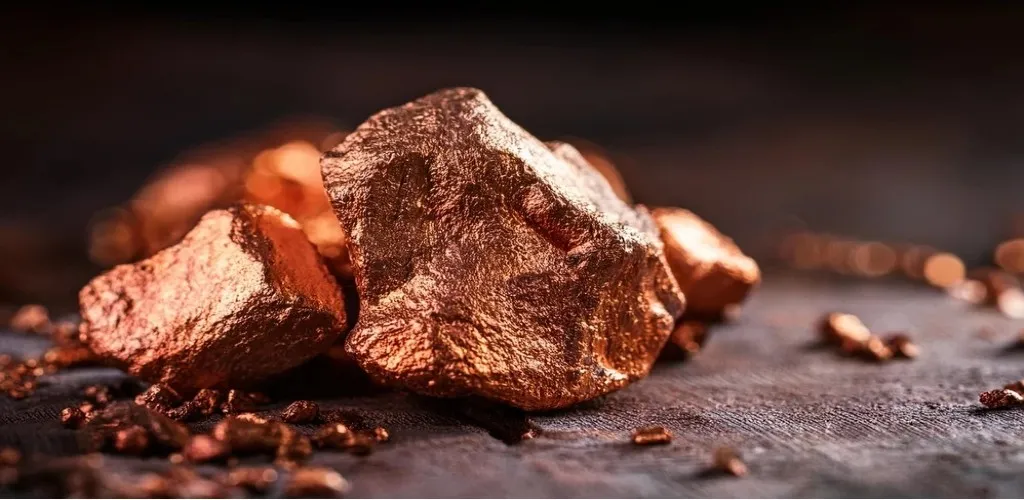
Zambia’s Konkola reopens Chingola copper mine after 18-year shutdown
Restart of historic mine adds momentum to Zambia’s push to more than triple copper production by 2031.





-ltd-a325b1d3-6414-476b-9b7e-20c2285d5a51.webp?language=en)

-Primary-Logo.webp?language=en)