News & Media
Everyone wants to be the second mine to try it

Avhurengwi Nengovhela
Tuesday, November 3, 2026
In my experience the real reason is simpler and less comfortable. The first mine to deploy a new technology pays to prove it. Every competitor that follows gets the same technology cheaper, faster and with the risk already taken out. Rationally, nobody wants to go first. Everybody wants to be second.
The problem is economic, and no amount of enthusiasm for innovation will solve it. Coaltech was set up in 1999 to deal with exactly this. More than forty organisations, competing coal producers, Eskom, technology firms and universities, pool funding to commission research that none of them would justify alone. Rehabilitation, water and acid mine drainage, spontaneous combustion, dust, blasting safety, cleaner utilisation, and value from ash and discard. The work is pre-competitive by design and the output goes to every member at once, so the cost of going first is shared and the advantage of going second disappears.
Running that model since 1999 has taught us three things worth passing on. The pilot is not the hard part. Getting a result reproduced at a second site, under a different geology and a different management team, is where most good work dies. Funding that second deployment should be planned from the start, not treated as someone else’s problem once the report is written. Research only converts when an operator owns it. Projects with a named person at a mine who needs the answer get implemented. Projects with a sponsor who finds them interesting do not, however good the science is.
And the industry is comfortable funding discovery and reluctant to fund proof. For every R1,000 of coal revenue, South Africa invests about R3 in research (total). Discovery gets the funding and the headlines. Turning a result into something a shift supervisor can run at three in the morning gets neither. None of this requires new institutions. It requires companies to share the cost of proving something, and to accept that a competitor benefiting from that proof is the point rather than the problem.
If you run a coal operation, you are already paying for this. You pay for it in trials you repeat because nobody published the last one. You pay for it in closure liabilities that better science would have reduced. You pay for it in technology bought at full price after someone else took the risk out. The question is not whether to fund the research. It is whether to fund it alone.
Partnerships in practice come down to who pays to go first. Answer that question properly and adoption follows. Leave it unanswered and the pilots will keep working perfectly, one at a time, forever.
Market News
Investors
Disruptive Technologies
Join Us at Mining Indaba 2027
Mining Indaba 2027 is where African and global mining leaders come together to connect and shape the future. Exhibit, sponsor, or register today —don’t miss out!
Related articles
Digital Diaries
Wednesday, November 5, 2025
Digital Diary - Ben Magara, CEO of Exxaro Resources
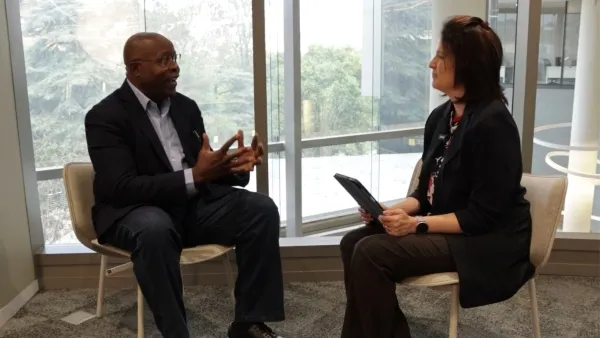
In this exclusive conversation with Ben Magara, CEO of Exxaro Resources, our Product Director, Laura Nicholson, discusses Exxaro’s growth and diversification into manganese and renewable energy.
Friday, October 17, 2025
Africa must democratise access to innovation
Without intentional strategies to include smaller players, the benefits of innovation will continue to bypass much of the sector. The time to ensure no one is excluded from Africa’s mining technology revolution is now.
Articles
Thursday, July 10, 2025
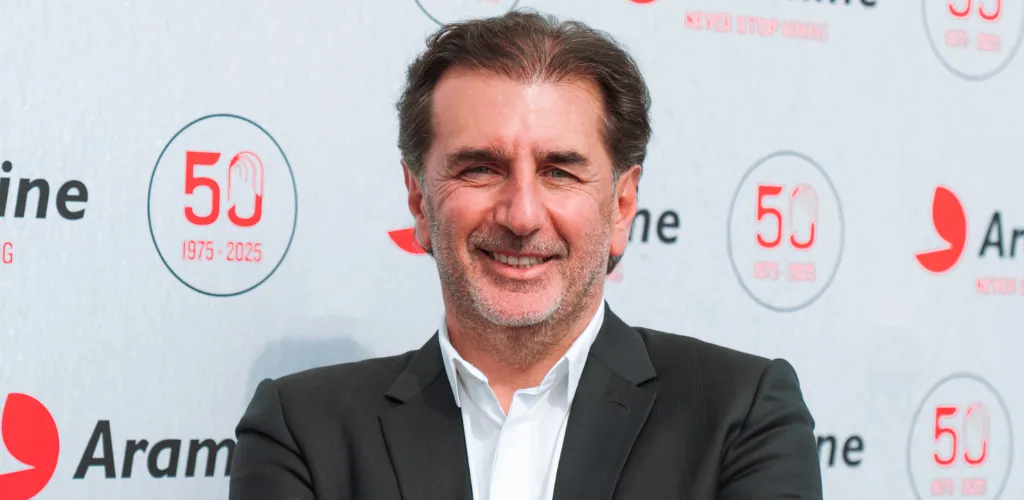
Aramine at 50: Celebrating a Legacy of Innovation, Family, and Global Impact
An interview with Christophe Melkonian, Co-President of Aramine By Natallia Zhuk-Higgs, Key Account Director at Mining Indaba