News & Media
Tailings safety: A turning point built on partnership
Ed Toms
Wednesday, November 4, 2026
What's in this article
But witnessing Brumadinho, and comprehending the 272 lives it claimed, was the moment I knew the mining industry had to change fundamentally, and that no single organisation could make that change alone. The industry knew it too.
That conviction is why, despite having recently retired, I didn’t hesitate when I was presented with the opportunity to become the first CEO of the Global Tailings Management Institute (GTMI). The Global Industry Standard on Tailings Management (GISTM), launched in 2020 in response to major failures, was built around one goal: zero harm to people and the environment. Mine operators worldwide have since committed to it, recognising that a tailings facility is critical infrastructure that should be managed across its full lifecycle, not optimised for short-term production alone. But six years on, failures are still happening, and we’ve learned that a standard alone isn’t enough. The industry needed an independent body to oversee consistent, transparent and credible conformance across every facility globally.
That’s why ICMM, the United Nations Environment Programme, and the Principles for Responsible Investment partnered to establish the GTMI in 2025, to drive the widespread adoption and implementation of the GISTM, and make assurance practical. This includes providing clear audit protocols, qualified auditors, and a credible pathway to certification.
Partnerships in practice
We’re now at an important point in our collective journey, where shared commitment by operators can be strengthened through demonstrated action. By working together to support a credible and independent approach, operators can help build greater trust among communities, investors, regulators and other stakeholders by demonstrating that commitments are being implemented consistently and transparently. Communities need to know assessments aren’t shaped by commercial pressure, investors need disclosures that are comparable and robust, and regulators need consistent, defensible assessments they can rely on.
This is precisely what this year’s Mining Indaba theme, ‘Stronger Together: Partnerships in Practice’, calls for: moving beyond dialogue and embedding collaboration into everyday decisions, investments and operations. This is what GTMI aims to do: move the industry from intent to implementation and credible assurance. We’re building capability across the whole system, defining competency standards for auditors, and helping boards understand what good oversight looks like, so accountability runs from the site to the boardroom.
The choice ahead
Operators that commit to credible GISTM conformance will reap real benefits: a stronger social licence to operate, better relationships with regulators and communities, and, increasingly, better access to insurance and capital, particularly for the legacy facilities most exposed to today’s climate volatility.
Investors are already putting a stake in the ground, and are growing unwilling to finance operations that fall short of standards like the GISTM. Mining companies and government-owned enterprises with operational responsibility for tailings facilities now face a choice: manage tailings as they always have, or commit to effectively implementing and conforming with the GISTM. The GTMI is calling on them to become Signatories, joining a globally consistent registry, audit, certification, disclosure, and quality-assurance system that helps raise the bar everywhere.
If the mining industry wants to prove that they care about people and the environment, honestly identifying and effectively managing tailings risk is not optional. The goal is simple: fewer failures, more trust, and more consistency in how the Standard is applied across regions and operators.
Communities
Major & Mid-Tier Mining Companies
Market News
Sustainability
Communities
Join Us at Mining Indaba 2027
Mining Indaba 2027 is where African and global mining leaders come together to connect and shape the future. Exhibit, sponsor, or register today —don’t miss out!
Related articles

Sunday, November 9, 2025
Beyond compliance: co-creating a lasting social license to operate in mining
Mining plays a critical role in society by providing essential raw materials that support a wide range of industries and products.
Digital Diaries
Wednesday, November 5, 2025
Digital Diary - Ben Magara, CEO of Exxaro Resources
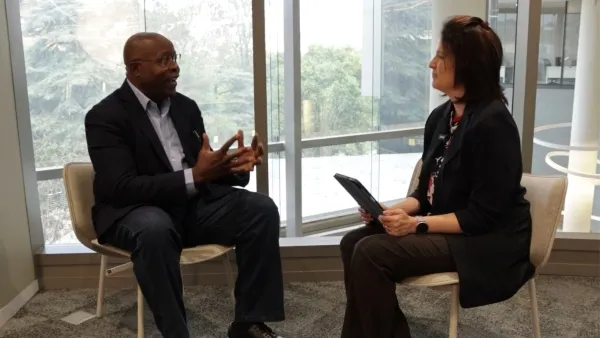
In this exclusive conversation with Ben Magara, CEO of Exxaro Resources, our Product Director, Laura Nicholson, discusses Exxaro’s growth and diversification into manganese and renewable energy.
Wednesday, June 11, 2025
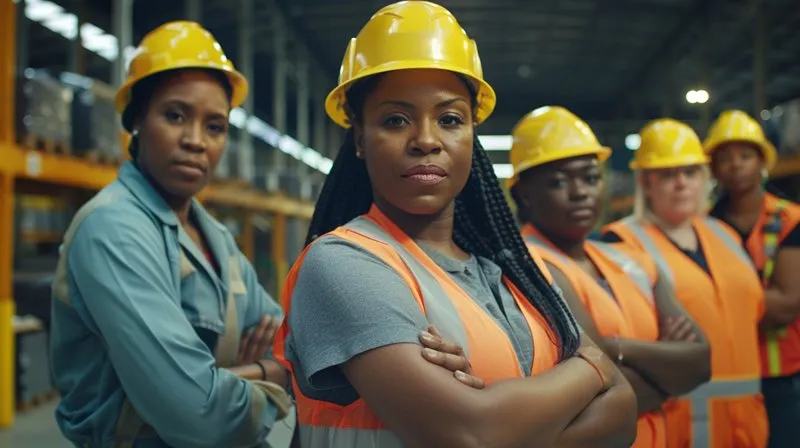
Championing the cause of women in mining
There can be no doubt that great strides have been made to ensure gender parity in the South African mining sector. This is largely underpinned by the initiatives that the Minerals Council has implemented in collaboration with its members.