News & Media
Featured
Transnet and Tshipi é Ntle Manganese Mining secure 10 year MECA3
Thursday, September 4, 2025
- Michelle Phillips, Transnet Group CE: “Our partnership with Tshipi demonstrates the value of aligning logistics and mining strategies to secure sustainable export flows. This long-term agreement will not only facilitate consistent delivery to international customers but also strengthen confidence in South Africa’s ability to serve global markets.”
- Ezekiel Lotlhare, CE of Tshipi é Ntle Manganese Mining: “Tshipi’s journey from its establishment over a decade ago to becoming one of the world’s leading manganese exporters has been underpinned by strong partnerships.
The three MECA3 deals so far (Assmang, United Manganese of Kalahari and Hotazel Manganese Mines) are being praised for providing much-needed predictability in logistics, allowing miners to plan investments and operations with confidence.
MECA3 marks a clear departure from previous fixed quota systems - moving to a demand-driven, multi-year capacity model. This shift encourages mining companies to increase production, knowing that logistics infrastructure will be available. The agreements form part of a broader effort to boost manganese exports - from roughly 20 Mt currently to 30 Mt annually by 2030—bolstering economic growth and local development in the Northern Cape.
Industry reactions reflect a mix of optimism and caution. The 10-year MECA3 agreements with Transnet offer a welcome boost in predictability - creating a foundation for growth in copper-free battery metals like manganese, essential to global green technology transitions. However, concerns about redistribution of capacity, ongoing infrastructure decay, and broader inefficiencies at Transnet temper enthusiasm. These agreements are viewed as steps in the right direction - but won’t single-handedly resolve the structural challenges dogging South Africa’s mining logistics.
Tshipi é Ntle operates the Tshipi Borwa Mine, an open-pit manganese mine located in the mineral-rich Kalahari Manganese field near Hotazel in the Northern Cape of South Africa. Since the start of commercial production in 2012, Tshipi has grown into one of the largest manganese exporters from South Africa, with a reputation for efficient, low-cost production.
Related:
Transnet and UMK sign 10-year contract for the transportation of manganese
Market News
Related articles
.webp?language=en)
Articles
Thursday, October 22, 2026
Building a competitive African automotive industry for the next generation
Africa’s mineral resources give the continent an important stake in the future of automotive manufacturing.
Articles
Tuesday, October 20, 2026
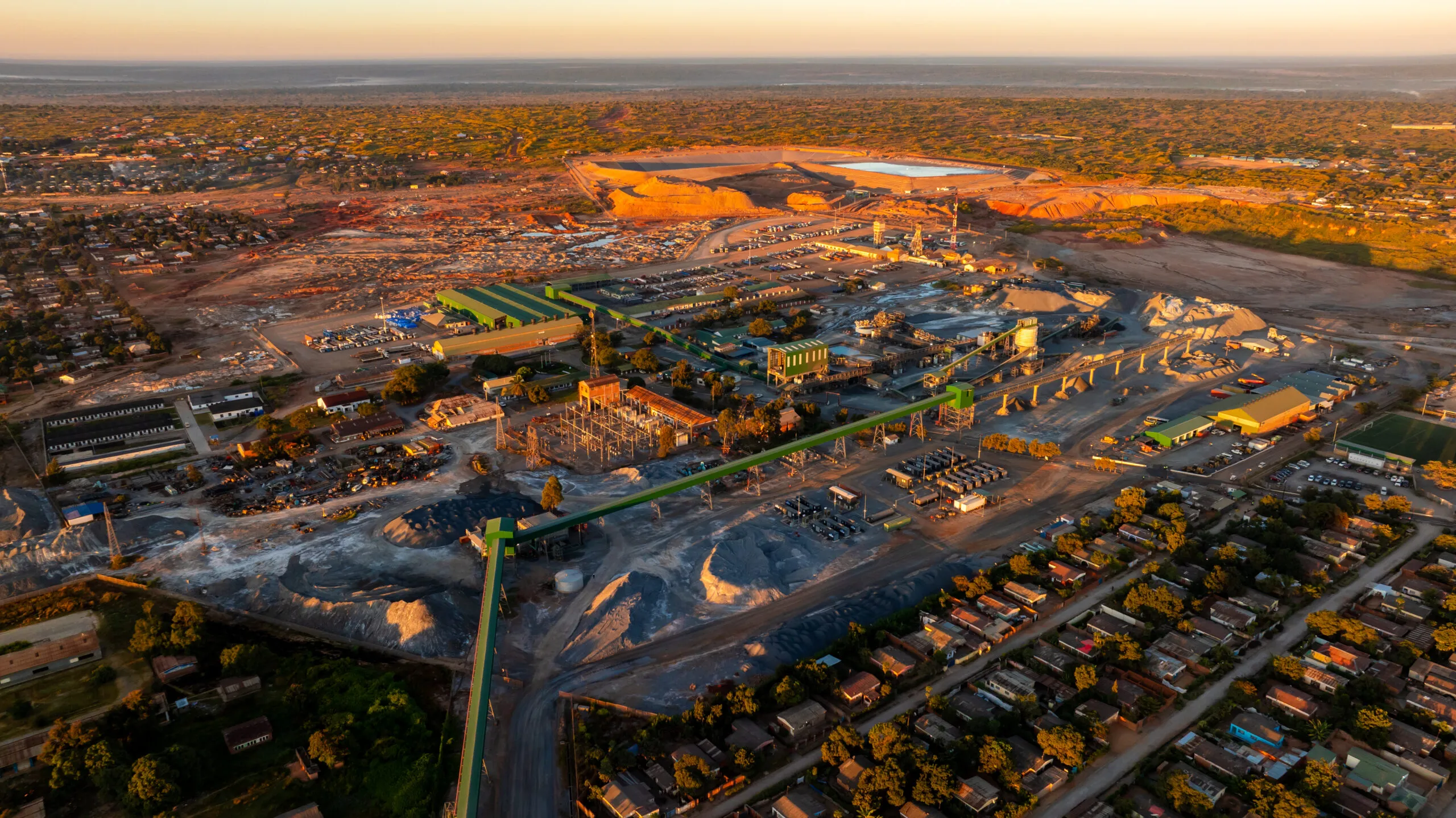
From century-old mine to global zinc powerhouse
Kipushi has demonstrated that an established mine can be revitalised through high-grade resources, new processing infrastructure and sustained investment.
Articles
Monday, October 19, 2026
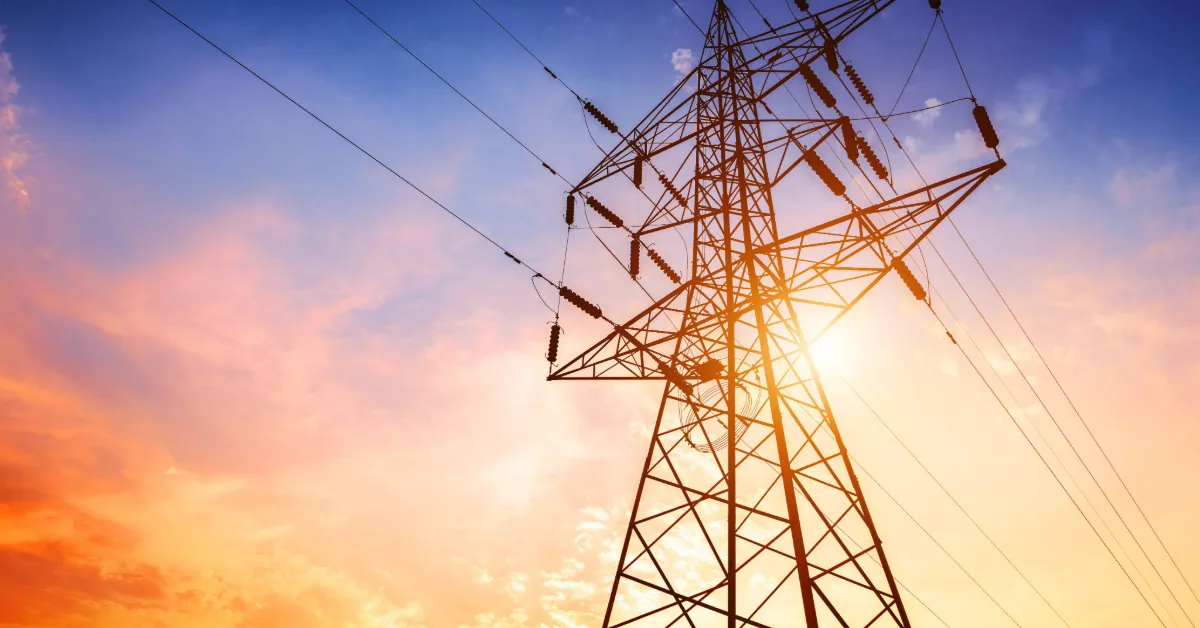
Beyond the Mine- $300 Million Zambia–DRC Energy Deal to Drive Mineral Value Addition
Landmark cross-border electricity project could deliver up to 550 MW unlocking copper and cobalt production, mineral beneficiation and regional industrial development.









-ltd-a325b1d3-6414-476b-9b7e-20c2285d5a51.webp?language=en)

-Primary-Logo.webp?language=en)