News & Media
Featured
Zimbabwe opens new rail route for lithium exports through Mozambique
Wednesday, July 22, 2026
What's in this article
NRZ, Grindrod-backed BBR and Silvergill collaborate to reduce transport costs and strengthen critical minerals supply chain.
Zimbabwe has taken another step towards strengthening its critical minerals export infrastructure after the country's state-owned rail operator successfully moved its first shipment of lithium concentrate by rail to the Port of Maputo in Mozambique, highlighting the growing role of public-private partnerships in supporting Africa's battery minerals industry.
The National Railways of Zimbabwe (NRZ) announced earlier this week that it has collaborated with private rail operator Beitbridge Bulawayo Railway (BBR), a subsidiary of South African logistics group Grindrod, and Zimbabwean logistics company Silvergill to transport 1,000 t of lithium concentrate from Tsingshan Holding Group's Gwanda Lithium Mine to Maputo.
The milestone creates an additional export corridor for Zimbabwe, Africa's largest lithium producer, which has historically relied almost exclusively on road transport to move lithium concentrate to regional ports. Road freight has become increasingly expensive and vulnerable to congestion, border delays and infrastructure constraints as lithium production has expanded rapidly over the past five years.
The development also reflects Mining Indaba 2027's theme, "Stronger Together: Partnerships in Practice," demonstrating how collaboration between state-owned infrastructure operators, private logistics companies and mining firms can unlock more efficient mineral supply chains.
A strategic logistics partnership
Under the new arrangement, the lithium concentrate travels approximately 180 kilometres on BBR's railway between Gwanda and Beitbridge before joining the NRZ network for a further 300 km to Zimbabwe's border with Mozambique at Chicualacuala.
From there, the cargo continues along Mozambique's Limpopo Railway for approximately 522 km to the Port of Maputo, creating an almost 1 000 km rail corridor linking one of Zimbabwe's newest lithium operations with international export markets.
Announcing the milestone, NRZ said the partnership demonstrates the value of combining public and private infrastructure assets to improve freight efficiency. “The successful transportation of the first lithium concentrate consignment by rail demonstrates NRZ's commitment to working with strategic partners to provide efficient logistics solutions for Zimbabwe's mining industry,” the railway company said in a statement.
While the initial shipment totals 1,000 t, the corridor has the potential to handle significantly larger volumes as lithium production continues to increase.
Reducing costs and easing road congestion
The new export route comes at a critical time for Zimbabwe's lithium sector.
The country has emerged as Africa's leading lithium producer following more than US$2 billion in investment by Chinese mining companies since 2021. Those investments have transformed Zimbabwe into one of China's most important overseas suppliers of spodumene concentrate. However, logistics have increasingly become a constraint.
Most lithium concentrate has been transported by truck over long distances to ports in Mozambique or South Africa, increasing operating costs while placing additional pressure on regional road infrastructure and border crossings. Rail offers miners several advantages, including lower transport costs for bulk commodities, reduced emissions, improved safety and greater reliability for high-volume exports. The corridor is particularly well positioned because many of Zimbabwe's lithium mines are located along the country's west-south-east railway network, providing relatively direct access to Mozambique.
Rail revival through partnerships
The project also represents an important milestone in NRZ's broader turnaround strategy.
Zimbabwe's state railway has suffered decades of under-investment, ageing infrastructure and rolling stock shortages. Freight volumes have fallen dramatically from around 12 Mt annually during the 1990s to just 2 Mt in 2025, limiting the railway's contribution to the country's economy. Rather than waiting solely for government funding, NRZ has increasingly pursued partnerships with private operators and logistics providers to rebuild capacity and attract new freight customers.
Its collaboration with BBR and Silvergill illustrates how shared investment and operational cooperation can revive strategic infrastructure without requiring entirely new rail networks. The initiative mirrors a broader trend across Africa, where governments are increasingly partnering with private operators to modernise transport corridors supporting mining exports. Similar collaborative models are emerging along the Lobito Corridor linking Angola, Zambia and the Democratic Republic of Congo, as well as rail upgrades serving South Africa's manganese and iron ore industries.
China remains the dominant customer
Zimbabwe's rapidly expanding lithium industry continues to be driven largely by Chinese investment. Companies including Tsingshan Holding Group, Zhejiang Huayou Cobalt, Sinomine Resource Group, Sichuan Yahua Industrial Group and Chengxin Lithium Group have collectively invested around US$2 billion in Zimbabwean mines and processing facilities since 2021.
According to trade data, Zimbabwe exported approximately 1.13 Mt of lithium-bearing spodumene concentrate to China in 2025, representing around 15% of China's total lithium concentrate imports during the year. That position has cemented Zimbabwe as one of the world's fastest-growing suppliers of lithium raw materials.
Moving beyond raw mineral exports
While exports continue to grow, Zimbabwe's government is pushing producers to invest further downstream. Authorities have introduced policies encouraging local beneficiation rather than exporting unprocessed concentrates, with miners now investing in lithium sulphate plants that represent the next stage of value addition.
Industry forecasts suggest Zimbabwe could export around 344,000 t of lithium sulphate annually by 2030. Lithium sulphate is an intermediate chemical used to manufacture battery-grade lithium hydroxide and lithium carbonate, materials that underpin the global electric vehicle and energy storage industries.
Improved rail logistics will be critical to supporting both existing concentrate exports and future shipments of higher-value processed lithium products as Zimbabwe seeks to capture more value from its mineral resources.
The successful launch of the Gwanda-Maputo rail corridor demonstrates that efficient infrastructure is increasingly becoming as important as the mineral resource itself. By combining the capabilities of state-owned rail infrastructure, private logistics operators and mining companies, Zimbabwe is creating a more resilient export network capable of supporting the country's ambitions to remain a leading player in the global battery minerals supply chain.
Market News
Related articles
Articles
Tuesday, October 20, 2026
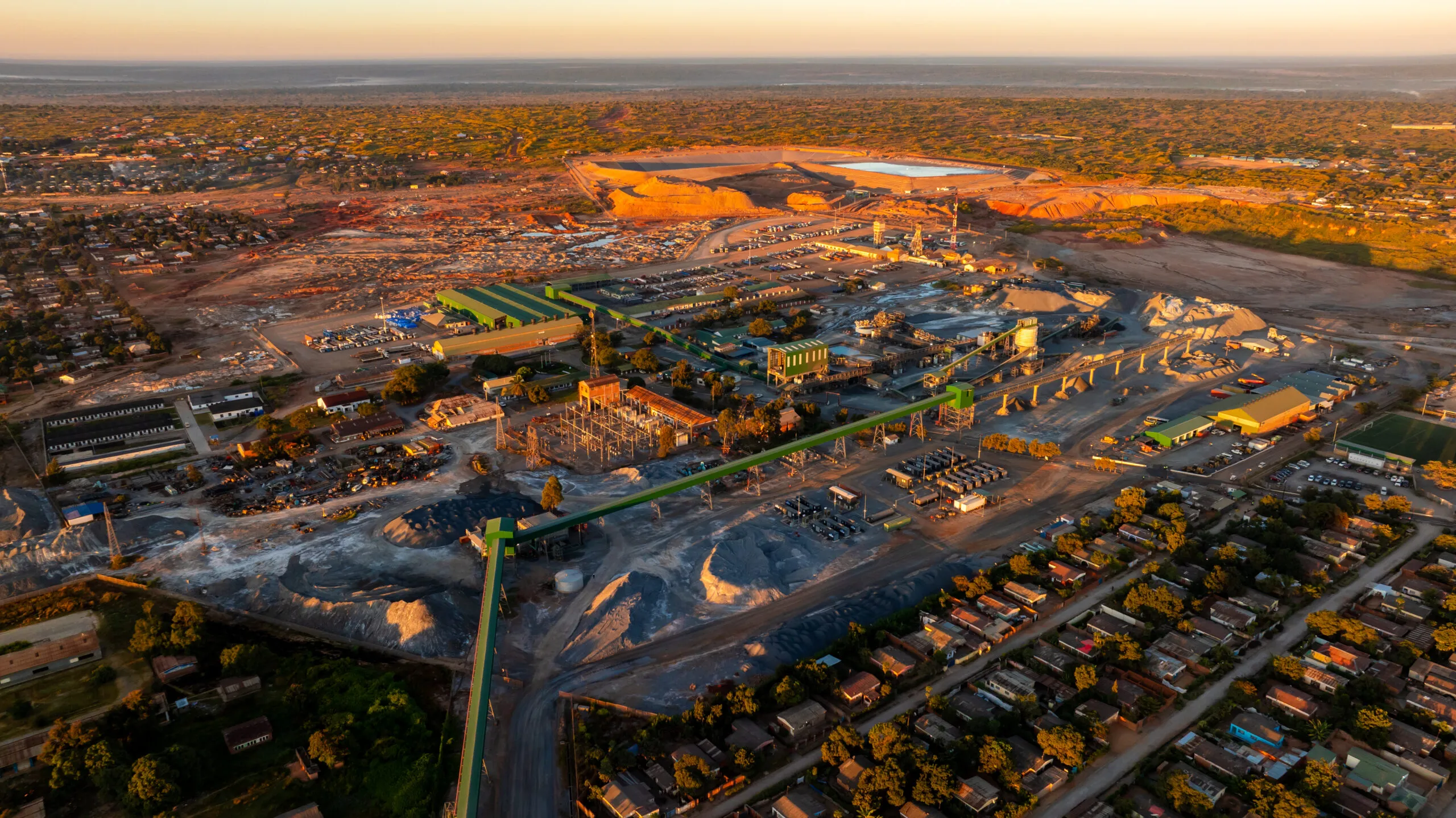
From century-old mine to global zinc powerhouse
Kipushi has demonstrated that an established mine can be revitalised through high-grade resources, new processing infrastructure and sustained investment.
Articles
Monday, October 19, 2026
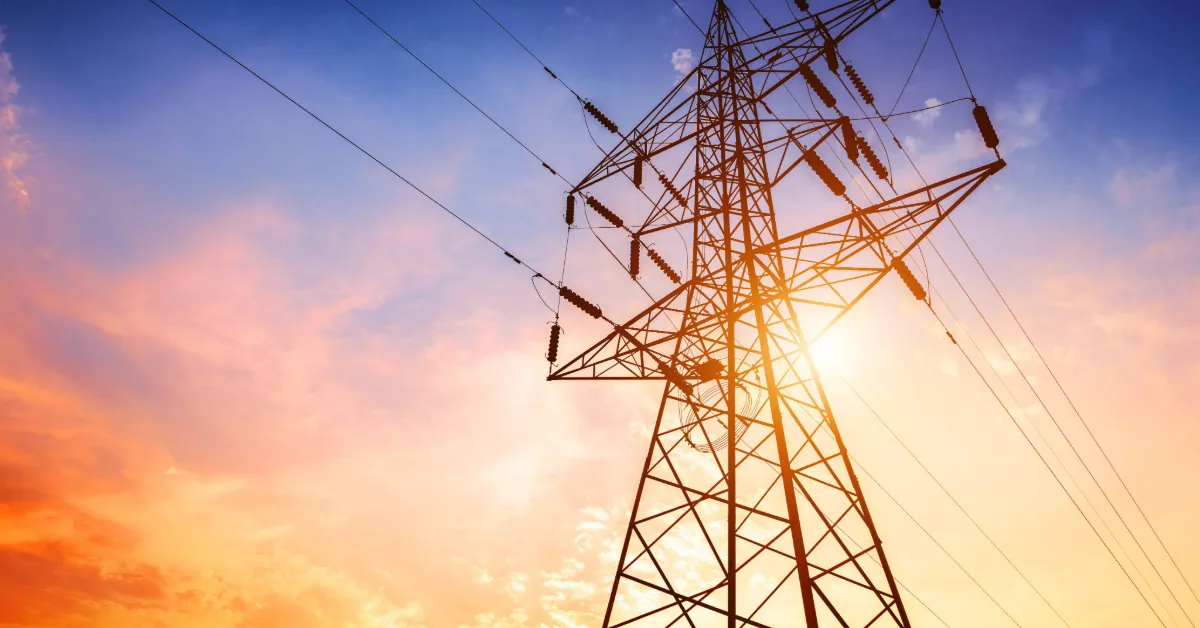
Beyond the Mine- $300 Million Zambia–DRC Energy Deal to Drive Mineral Value Addition
Landmark cross-border electricity project could deliver up to 550 MW unlocking copper and cobalt production, mineral beneficiation and regional industrial development.
.webp?language=en)
Articles
Thursday, October 15, 2026
Fortescue’s Bélinga project tops $600 m in spending as Gabon iron-ore ambitions advance
Fortescue has significantly increased its investment and exploration activity at Gabon’s Bélinga iron-ore project.






-ltd-a325b1d3-6414-476b-9b7e-20c2285d5a51.webp?language=en)

-Primary-Logo.webp?language=en)