
L'avenir du sauvetage minier dépendra autant de la clarté éthique et des capacités technologiques que de la préparation opérationnelle.
C'est le message qu'a fait passer Mannas Fourie, PDG de Mine Rescue Services South Africa, qui s'est appuyé sur l'incident très médiatisé de Buffelsfontein, impliquant des « zama zama », pour mettre en lumière l'évolution des risques auxquels est confronté le secteur minier mondial.
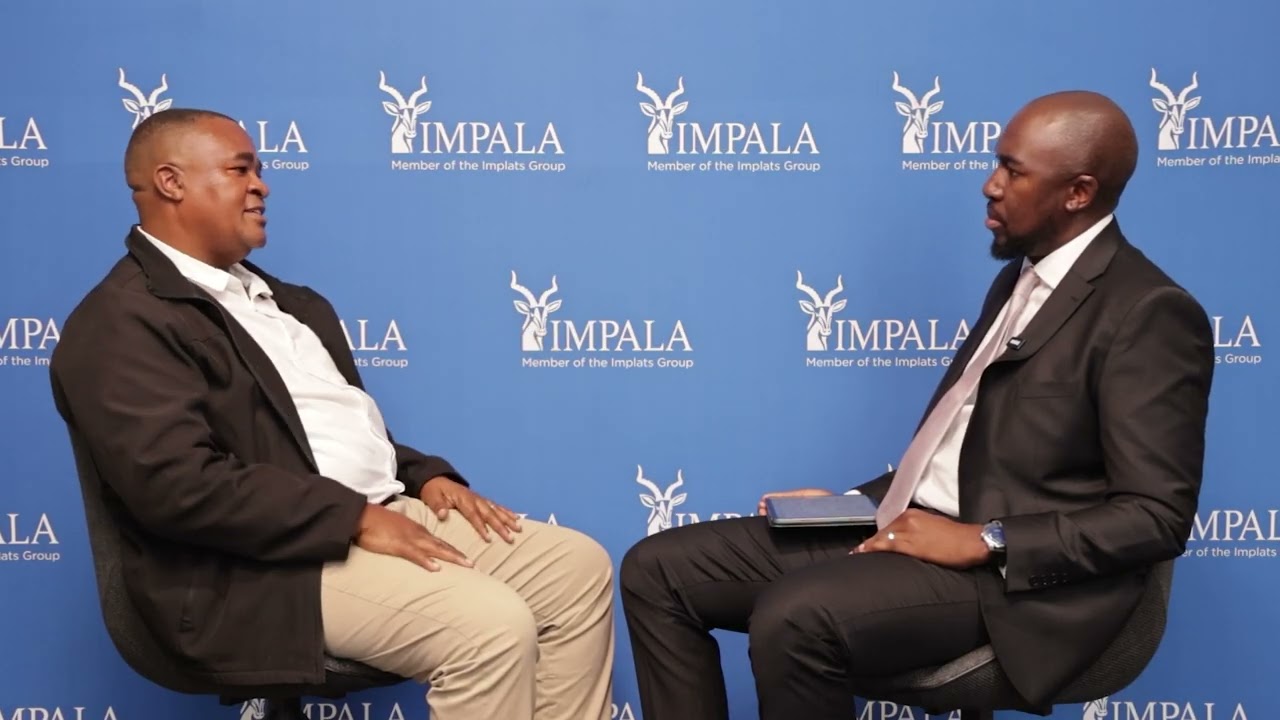
Dans un Interview de MITV au salon Mining Indaba 2026, Fourie a présenté l'opération de sauvetage de Buffelsfontein comme un tournant décisif, qui a mis à l'épreuve non seulement les limites des interventions souterraines, mais aussi les cadres moraux et institutionnels du secteur.
« Il ne s'agissait pas d'une urgence minière classique », a-t-il précisé. « Nous avons dû intervenir dans un contexte marqué par un manque d'informations, des infrastructures endommagées et une forte pression extérieure. »
Il a plutôt appelé à une meilleure coordination entre les exploitants, les autorités de régulation et les prestataires de services, en particulier dans les régions où l'exploitation minière illégale est répandue.
Ce principe a été mis à l'épreuve lors de l'incident, qui a impliqué :
Les enseignements tirés de Buffelsfontein pour le secteur mondial. Dans son interview accordée à MITV, Fourie a présenté cet incident comme un tournant dans la manière dont le secteur doit envisager les opérations de sauvetage :
1. Préparation aux situations d'urgence « non conventionnelles »
L'exploitation minière illégale constitue désormais un risque systémique dans toute l'Afrique australe. Les équipes de secours doivent être prêtes à faire face à :
Il a souligné que des innovations telles que le Mobile Rescue Winder, capable de fonctionner à des profondeurs supérieures à 3 000 mètres, étaient indispensables pour rendre ces opérations de sauvetage possibles.
3. Opérer dans un contexte de surveillance étroite et de complexité
Buffelsfontein s'est déroulé sous :
4. Collaboration entre les parties prenantes
L'opération de sauvetage n'a pu être menée qu'après une coordination entre :
Dans un Interview de MITV au salon Mining Indaba 2026, Fourie a présenté l'opération de sauvetage de Buffelsfontein comme un tournant décisif, qui a mis à l'épreuve non seulement les limites des interventions souterraines, mais aussi les cadres moraux et institutionnels du secteur.
Une opération de sauvetage complexe et à haut risque
L'incident, qui s'est produit à la mine de Buffelsfontein près de Stilfontein, a vu des centaines de mineurs clandestins se retrouver piégés à de grandes profondeurs dans des galeries abandonnées. L'opération a finalement permis :- 246 personnes ont été sauvées
- Des dizaines de corps ont été retrouvés après une exposition prolongée à des conditions souterraines extrêmes
« Il ne s'agissait pas d'une urgence minière classique », a-t-il précisé. « Nous avons dû intervenir dans un contexte marqué par un manque d'informations, des infrastructures endommagées et une forte pression extérieure. »
L'impératif humanitaire prime sur le statut juridique
L’un des thèmes centraux de l’intervention de Fourie a été le mandat humanitaire non négociable qui guide les opérations de sauvetage minier. L’incident de Buffelsfontein a attiré l’attention nationale non seulement en raison de son ampleur, mais aussi à cause des tensions juridiques et éthiques entourant le sauvetage de mineurs illégaux. Malgré cela, Fourie a été catégorique : le sauvetage minier ne fait pas de distinction entre mineurs légaux et illégaux, mais se concentre uniquement sur le fait que des vies sont en danger. L'intervention s'est déroulée sous le coup d'une décision de justice, soulignant l'intersection de plus en plus complexe entre l'application de la loi, la sécurité publique et l'intervention humanitaire dans les régions touchées par l'exploitation minière illégale.Redéfinir la préparation face à un environnement de risques en constante évolution
Lors du salon Mining Indaba 2026, Fourie a fait valoir que des incidents tels que celui de Buffelsfontein ne constituent plus des cas isolés, mais sont révélateurs de l'évolution des risques systémiques dans le secteur minier de l'Afrique australe. Il a souligné que l'exploitation minière illégale engendre une nouvelle catégorie de situations d'urgence caractérisées par :- Réseaux souterrains abandonnés et mal cartographiés
- De grands groupes non réglementés opérant en profondeur
- Risques accrus en matière de sécurité, de conformité et de réputation pour les parties prenantes
La technologie comme multiplicateur de puissance
Fourie a également souligné le rôle croissant des technologies de sauvetage spécialisées, qui permettent d'obtenir des résultats positifs dans des conditions extrêmes. Des équipements tels que les treuils de sauvetage mobiles – capables de fonctionner à des profondeurs extrêmes – se sont révélés essentiels à Buffelsfontein, ce qui renforce la nécessité de continuer à investir dans :- Systèmes de communication souterrains en temps réel
- Télédétection et surveillance de l'environnement
- Formation avancée par simulation
Une collaboration sous le feu des projecteurs
La gestion de la crise de Buffelsfontein a nécessité une coordination entre de multiples parties prenantes, notamment les autorités gouvernementales, le pouvoir judiciaire, les communautés locales et les services d'urgence, souvent sous le regard attentif du public et des médias. Pour Fourie, cela a mis en évidence une leçon plus générale pour le secteur : un sauvetage minier efficace ne peut pas se faire en vase clos.Il a plutôt appelé à une meilleure coordination entre les exploitants, les autorités de régulation et les prestataires de services, en particulier dans les régions où l'exploitation minière illégale est répandue.
De la valeur aberrante à l'indicateur
Le message central qui s'est dégagé de l'intervention de Fourie lors du Mining Indaba était clair : Buffelsfontein n'est pas un événement isolé, c'est un signe avant-coureur. Alors que les opérations minières s'enfoncent de plus en plus profondément et que les pressions socio-économiques favorisent l'extraction informelle, le secteur doit s'adapter à un avenir où les interventions d'urgence consistent à :- Plus complexe
- Plus visible
- Faisant l'objet d'un examen éthique plus approfondi
Sauvetage extrême dans des conditions réelles
Fourie a évoqué directement la catastrophe de Buffelsfontein, où des centaines de mineurs clandestins se sont retrouvés piégés dans les profondeurs d'un puits abandonné près de Stilfontein. L'opération a finalement :- 246 mineurs ont été sauvés sains et saufs
- Des dizaines de corps ont été retrouvés (au moins 78 victimes) après des semaines passées dans des conditions épouvantables sous terre
Un mandat humanitaire, et non juridique
Un message central qu'il a réaffirmé lors de l'Indaba, tiré directement de l'expérience de Buffelsfontein, était le suivant : le sauvetage minier ne fait pas de distinction entre les mineurs légaux et illégaux, mais se préoccupe uniquement de savoir si des vies sont en danger.Ce principe a été mis à l'épreuve lors de l'incident, qui a impliqué :
- Une intervention ordonnée par le tribunal
- Une attention considérable de la part du public
- Conflit éthique entre l'application de la loi et l'intervention humanitaire
Les enseignements tirés de Buffelsfontein pour le secteur mondial. Dans son interview accordée à MITV, Fourie a présenté cet incident comme un tournant dans la manière dont le secteur doit envisager les opérations de sauvetage :
1. Préparation aux situations d'urgence « non conventionnelles »
L'exploitation minière illégale constitue désormais un risque systémique dans toute l'Afrique australe. Les équipes de secours doivent être prêtes à faire face à :
- Puits abandonnés
- Galeries souterraines non cartographiées
- Un grand nombre d'individus piégés
Il a souligné que des innovations telles que le Mobile Rescue Winder, capable de fonctionner à des profondeurs supérieures à 3 000 mètres, étaient indispensables pour rendre ces opérations de sauvetage possibles.
3. Opérer dans un contexte de surveillance étroite et de complexité
Buffelsfontein s'est déroulé sous :
- L'attention des médias
- Pression juridique
- Tensions au sein de la communauté
4. Collaboration entre les parties prenantes
L'opération de sauvetage n'a pu être menée qu'après une coordination entre :
- Tribunaux
- Gouvernement
- Équipes de secours
- Communautés


_2.jpg?ext=.jpg)





-Logo_CMYK_1.jpg?width=1000&height=500&ext=.jpg)









.png?width=300&height=208&ext=.png)

_mi25-weblogo.png?ext=.png)
_1.png?ext=.png)

































_logo.png?ext=.png)

_mi25-weblogo.png?ext=.png)