
En 2025, le charbon est resté la principale matière première minière d'Afrique du Sud en termes de volume de production, avec une production atteignant environ 236 millions de tonnes.
En 2025, le charbon est resté la principale matière première minière d’Afrique du Sud en termes de volume de production, avec une production atteignant environ 236 millions de tonnes. Malgré l’intensification des pressions mondiales en faveur d’une transition vers l’abandon des combustibles fossiles, ce secteur continue de soutenir à la fois la sécurité énergétique et le tissu industriel du pays. Le charbon bitumineux a dominé la production, représentant 99 % de la production totale, tandis que l'anthracite représentait les 1 % restants. Bien que relativement faible en volume, la production d'anthracite, qui n'a été introduite qu'en 2013, s'est taillé une place stratégique en tant que matière première de haute qualité pour les fonderies, la fabrication d'alliages et la production d'acier.
La demande intérieure soutient la production
La principale caractéristique du secteur charbonnier sud-africain reste sa forte dépendance à l’égard de la consommation intérieure. En 2025, la demande a été très largement tirée par la production d’électricité, renforçant ainsi le rôle central du charbon dans le mix énergétique national. La compagnie publique Eskom est restée le plus grand consommateur, utilisant environ 108 Mt de charbon au cours de l’exercice 2024/25 pour alimenter son parc de centrales à charbon. Le groupe pétrochimique Sasol a consommé 30 à 40 Mt supplémentaires.
À elles deux, ces entités ont représenté près des deux tiers de la demande totale de charbon, agissant de fait comme le principal moteur de la production. Cette concentration souligne la dépendance structurelle de l’industrie charbonnière vis-à-vis d’un nombre limité d’acheteurs nationaux, même si les marchés d’exportation restent importants.
Les marchés d'exportation restent stables mais limités
Environ un tiers de la production de charbon sud-africaine a été exporté en 2025, les données annualisées indiquant des volumes d’environ 72 millions de tonnes. La majeure partie de ces exportations, soit environ 94 %, a transité par le terminal charbonnier de Richards Bay et le port adjacent de Richards Bay, tandis que les 6 % restants ont été acheminés par voie terrestre vers les marchés voisins. L'Asie a continué de dominer en tant que principale destination d'exportation, représentant environ 80 % des expéditions. L'Inde s'est imposée comme le plus grand importateur, achetant environ 46 % des exportations de charbon sud-africain.
L'Europe représentait environ 10 % des volumes d'exportation, en légère hausse par rapport à l'année précédente, tandis que les marchés africains représentaient les 10 % restants, la demande étant répartie entre les régions du nord, de l'est et de l'ouest. Cependant, les performances à l'exportation restent structurellement limitées. Malgré des améliorations progressives apportées par Transnet, la capacité ferroviaire le long du corridor charbonnier continue de limiter le débit. Le RBCT, d'une capacité installée de 91 Mtpa, fonctionne actuellement à peine à la moitié de son potentiel, les flux d'exportation s'établissant à un taux annualisé de 56,8 Mt en 2025.
Les prix pèsent sur les performances du secteur
Alors que la production est restée globalement stable, avec une légère baisse de 0,2 % en glissement annuel, l'évolution du chiffre d'affaires a été plus fortement affectée par la chute des prix. Les ventes totales de charbon devraient reculer d'environ 2,6 % en 2025, principalement en raison d'une forte baisse des prix de 14,9 %. Les prix du charbon à l'exportation sont tombés à environ 90 $ US/t en 2025, contre 106 $ US/t en 2024 et 122,4 $ US/t en 2023. La volatilité des prix a été la plus marquée sur les marchés internationaux, tandis que les prix intérieurs sont restés relativement stables, offrant une certaine protection aux producteurs approvisionnant Eskom et Sasol.
Vers la fin de l'année, les prix ont montré des signes de reprise. En décembre 2025, les prix de référence de Richards Bay s’établissaient en moyenne à 89,2 $US/t, rebondissant par rapport à la fourchette de 82 à 85 $US/t observée en octobre et novembre. Cette hausse a été alimentée par la demande hivernale saisonnière en Europe, la reconstitution des stocks et la reprise des achats en Asie. Néanmoins, les conditions générales de la demande sont restées modérées, reflétant une croissance économique mondiale plus faible et une incertitude persistante sur le plan commercial.
Les défis en matière d'infrastructures et de sécurité persistent
Sur le plan opérationnel, l'industrie charbonnière continue de faire face à des goulets d'étranglement infrastructurels et à des risques liés à la sécurité le long du corridor d'exportation. La ligne ferroviaire de 600 km reliant les bassins houillers de l'intérieur du pays à Richards Bay reste exposée au vol de câbles, au vandalisme et à des activités criminelles plus générales. Il est encourageant de constater que la collaboration entre les sociétés minières et Transnet commence à porter ses fruits. Le renforcement des mesures de sécurité a permis de réduire considérablement les incidents de vol et de perturbation, améliorant ainsi la fiabilité et préservant les volumes d'exportation. Toutefois, ces interventions entraînent des coûts supplémentaires pour les producteurs, qui doivent déjà composer avec des marges de plus en plus serrées.
Les changements de politique redéfinissent les perspectives à long terme
À l’avenir, le principal défi structurel auquel sera confronté le secteur du charbon réside dans l’orientation de la politique nationale. Le Plan intégré des ressources (IRP) 2025 de l’Afrique du Sud, publié en novembre, prévoit un déclin marqué du rôle du charbon dans la production d’électricité au cours des prochaines décennies. Selon ce plan, la part du charbon dans la capacité installée d’Eskom devrait passer de 59 % aujourd’hui à seulement 11 % d’ici 2042. En termes de volume, cela implique une réduction d'environ 62 Mt de la consommation annuelle de charbon, ramenant la demande d'Eskom à environ 40 Mt par an. À moins que des technologies de capture du carbone ou d'autres solutions de réduction des émissions ne soient déployées à grande échelle, cette trajectoire laisse présager un marché national du charbon structurellement plus petit au fil du temps.
Le moral s'améliore à court terme
Malgré ces difficultés à long terme, le climat de confiance à l'égard du charbon montre des signes d'amélioration à court et moyen terme. Deux facteurs sont à l'origine de ce revirement. Premièrement, l'évolution de la dynamique politique mondiale, notamment aux États-Unis, commence à rouvrir des voies de financement pour les projets liés aux combustibles fossiles, tandis que la pression s'intensifie sur les institutions multilatérales pour qu'elles soutiennent la sécurité énergétique parallèlement à la décarbonisation. Deuxièmement, il est de plus en plus admis que le charbon restera essentiel pour la production d'électricité de base, d'autant plus que la demande en électricité s'accélère à l'échelle mondiale. L'essor des technologies à forte intensité énergétique, notamment l'intelligence artificielle, exerce une pression supplémentaire sur les réseaux électriques, tandis que les contraintes liées au réseau continuent de limiter le rythme d'intégration des énergies renouvelables.
Concilier résilience et transition
Dans ce contexte, le secteur charbonnier sud-africain se trouve à un tournant décisif. À court terme, il reste indispensable, car il assure l’approvisionnement énergétique, soutient l’activité industrielle et génère des recettes d’exportation. Toutefois, à plus long terme, un déclin structurel semble inévitable face à l’évolution des politiques, des technologies et des flux de capitaux. Pour les producteurs, l’impératif stratégique consistera à maximiser la valeur des activités existantes tout en s’adaptant à un marché intérieur en régression progressive et à un environnement d’exportation de plus en plus concurrentiel.
À LIRE AUSSI :
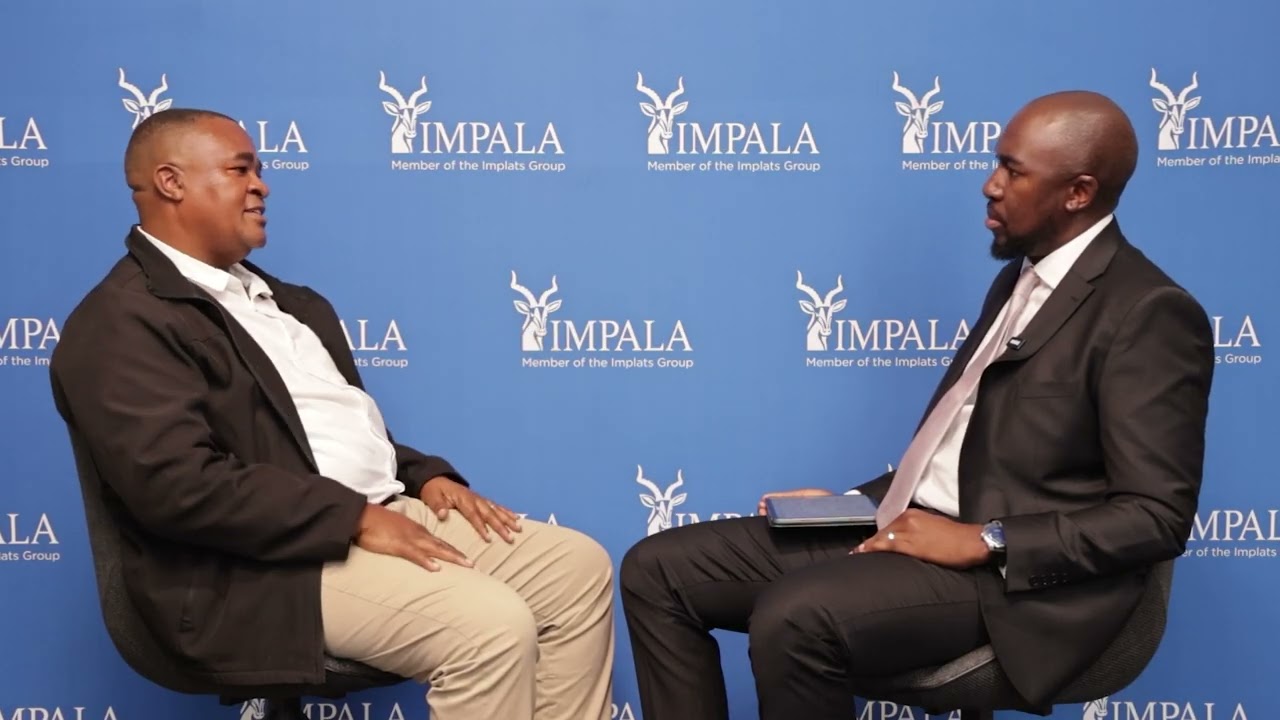
L'exploitation du charbon, le leadership et la prochaine étape vers l'objectif « zéro accident »


_2.jpg?ext=.jpg)







-Logo_CMYK_1.jpg?width=1000&height=500&ext=.jpg)









.png?width=300&height=208&ext=.png)

_mi25-weblogo.png?ext=.png)

_1.png?ext=.png)

































_logo.png?ext=.png)

_mi25-weblogo.png?ext=.png)