News & Media
Featured
Anglo American Platinum: Zero waste to landfill
Tuesday, June 1, 2021
In February, Anglo American employees to part in their Circular Economy Day, exploring the challenges and opportunities that the circular economy represents and how they can help the company to deliver its Sustainable Mining Plan targets.
| The Circular economy is to help minimise waste and making the most of what already exists, natural resources included. Advocating re-using, re-designing, sharing, repairing, refurbishing, re-manufacturing and recycling to use fewer resources and utilising them for longer. At a fundamental level, it’s about creating new models for the business to promote and incentivise efficiency. There is already evidence that within Anglo American, many circular economy-related activities take place, most happening upstream relating to efficient use of water, energy, and land. Eight years ago, Anglo American’s Platinum business set the target of sending zero waste to landfill by the end of 2020, when the target was set the annual figure was 22.12 kilotons’ (same weight as the Statue of Liberty in New York). | 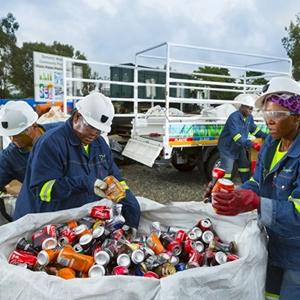 (Photo credit: Anglo American. Five years into the project, the team brought waste specialists, Interwaste, on board – a move that is credited with bringing about a step-change in progress.) |
In that year, the waste decreased to 1.76 kilotons’, all managed operations reaching the zero target by the end of December for the first time.
Lead – Environment for Anglo American Platinum, Hermanus Prinsloo noted they were “thrilled” and “very proud” for achieving zero waste to landfill which highlights the commitment of management and employees to the environment to create a 92% reduction of waste to landfill, whilst being the first mining company to achieve this significant milestone.
The waste targeted by Anglo American Platinum is the non-mineral waste that is produced (both hazardous and non-hazardous), and what isn’t completely reduced is re-used or recycled. Interwaste helped to define strategies and dedicated reduce, reuse, and recycling solutions for each of its sites. By treating waste as a resource rather than sending it straight to landfill, it would also make savings whilst generate extra revenue. Making a fundamental mind shift to see waste as a valuable commodity, encouraging investment, creativity and innovative solutions says project lead – Dustin Van Helsdingen.
The project isn’t just about to keep materials out of landfills, it helps to reduce demand for transient things. Getting the different sites on board with the project was a key for the company in its success to bring operations and individuals on board by appointing site-specific waste champions. By understanding the waste streams and quantities generated per site, it was easier to set realistic targets, generating support from leadership teams.
In the midst of a global pandemic last year, the company donated 10 recycling bikes to women in Tubatse-Fetakgomo municipality to increase their income and reduce waste in the area. This reasoning being is local residents can earn an income from reclaiming the recyclable materials polluting the town. Making the donation was to help support women affected by the pandemic whilst demonstrating the Anglo American Platinum’s commitment to achieving the ZW2L target.
For more information on the project, please click here.
Market News
Related articles

Articles
Thursday, September 17, 2026
What does the BRICS summit mean for Africa’s mining value chains?
The BRICS summit has sharpened the race to secure critical minerals – but for Africa, the bigger opportunity is capturing more of the value created after extraction.

Articles
Wednesday, September 16, 2026
What does Dangote’s refinery mean for Africa’s mining ambitions?
The value of a resource can change dramatically when processing, capital and ownership move closer to the point of production.
Articles
Tuesday, September 15, 2026
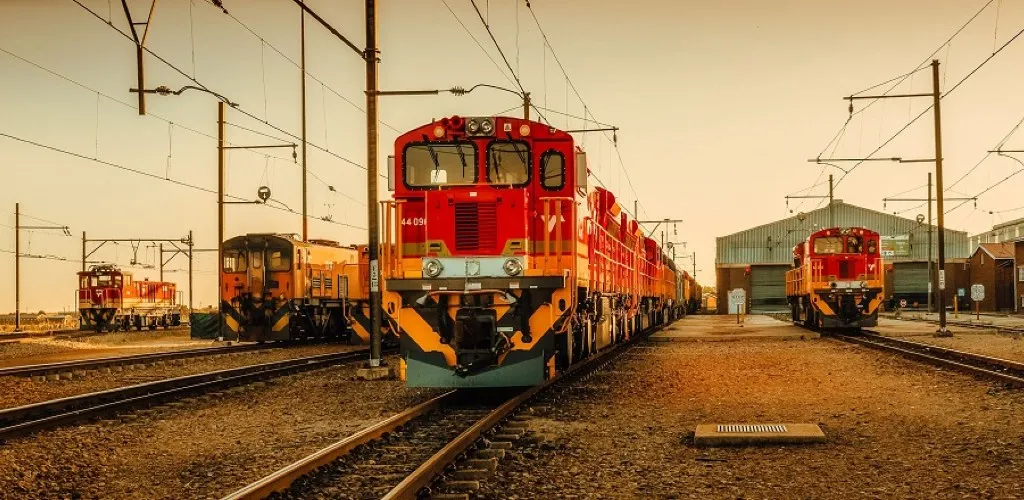
Transnet gains momentum as rail reform and investment reshape mining logistics
Return to profitability signals progress, but logistics recovery remains a work in progress.








-ltd-a325b1d3-6414-476b-9b7e-20c2285d5a51.webp?language=en)

-Primary-Logo.webp?language=en)