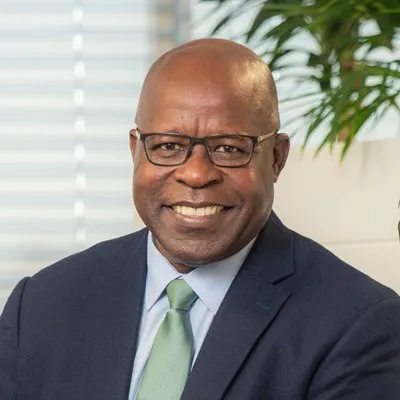
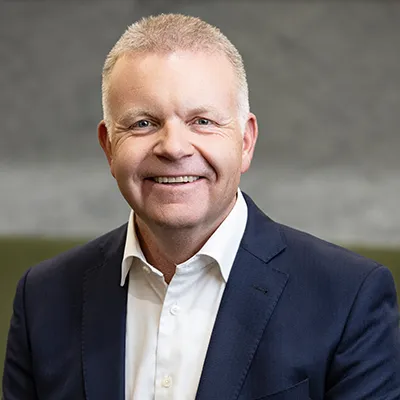
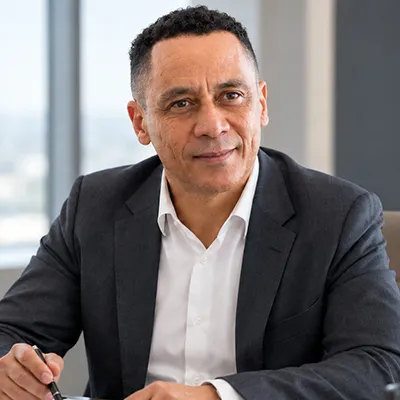
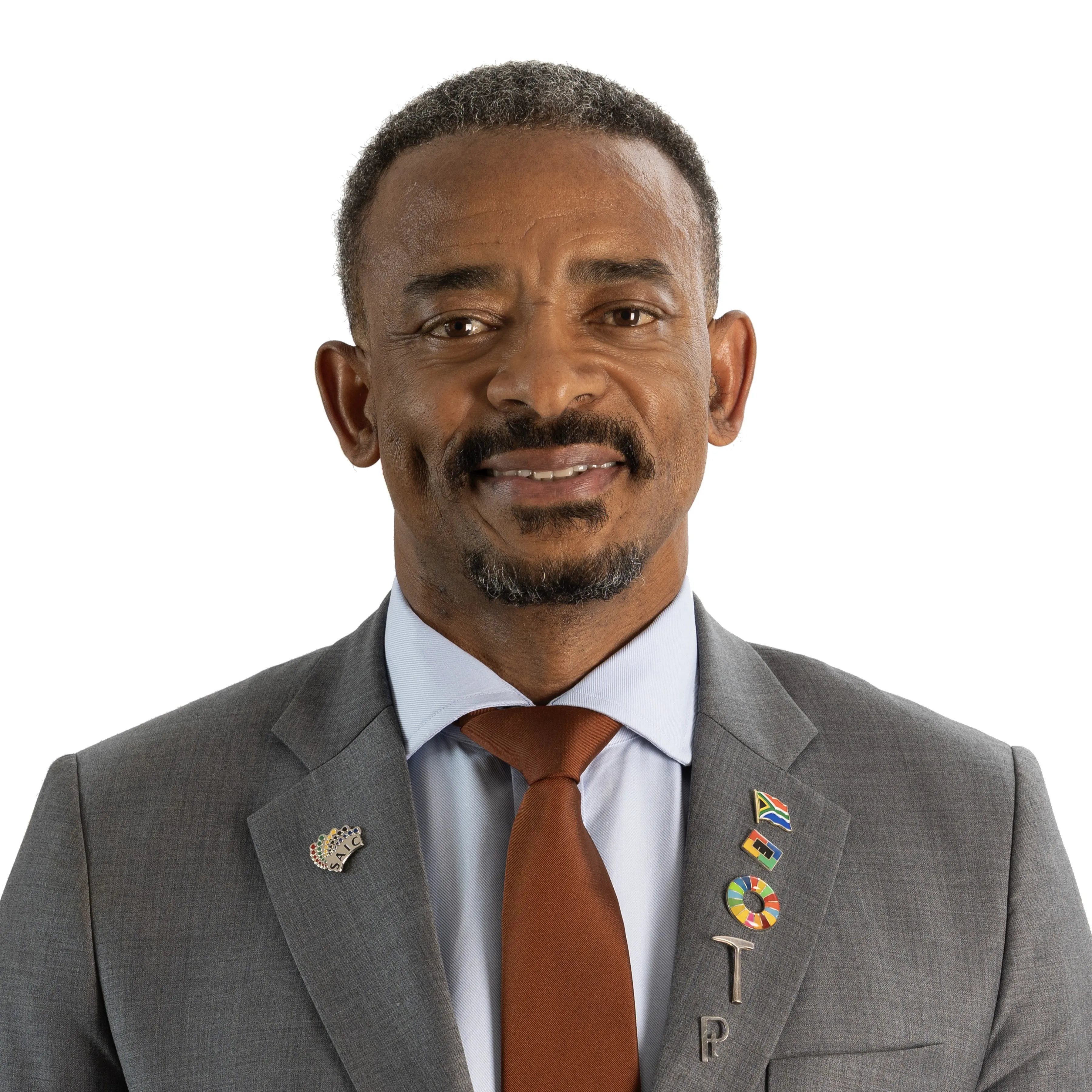
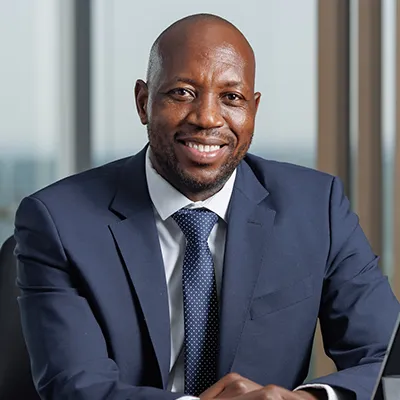
Bongani Motsa
Acting Chief Economist Minerals Council South Africa
Bongani has over two decades of experience as an economist and is currently the Acting Chief Economist at the Minerals Council South Africa. His passion is real sector economics, including mining and energy.
2026 Agenda Sessions
Progress through private sector partnerships: driving economic recovery
South Africa’s economic revival hinges on robust collaboration between the public and private sectors. This panel examines how strategic partnerships can unlock growth, strengthen resilience, and position the economy for long-term competitiveness – highlighting the pivotal role of the private sector, especially mining, in solving systemic challenges and building a resilient, competitive economy for the future.
Key discussion areas:
Logistics management and infrastructure recovery
Private sector involvement has begun to ease the logistics crisis, but what’s next? How can mining continue to drive improvements in rail and port systems as part of a broader recovery strategy?
Energy transition and transmission capacity
Partnerships between coal producers, private players, and government are critical to advancing two priorities: the just energy transition and expanding transmission infrastructure. How can these collaborations balance sustainability with economic imperatives?
Beneficiation and value addition
Creating an enabling environment for mineral beneficiation is essential to adding value locally and globally. What policies and partnerships will make this possible?
Tuesday 10 February 11:00 - 12:15 Red Sea Stage (CTICC1 – Level 1)
South Africa’s economic revival hinges on robust collaboration between the public and private sectors. This panel examines how strategic partnerships can unlock growth, strengthen resilience, and position the economy for long-term competitiveness – highlighting the pivotal role of the private sector, especially mining, in solving systemic challenges and building a resilient, competitive economy for the future.
Key discussion areas:
Logistics management and infrastructure recovery
Private sector involvement has begun to ease the logistics crisis, but what’s next? How can mining continue to drive improvements in rail and port systems as part of a broader recovery strategy?
Energy transition and transmission capacity
Partnerships between coal producers, private players, and government are critical to advancing two priorities: the just energy transition and expanding transmission infrastructure. How can these collaborations balance sustainability with economic imperatives?
Beneficiation and value addition
Creating an enabling environment for mineral beneficiation is essential to adding value locally and globally. What policies and partnerships will make this possible?
Is resource nationalism paving the way for equitable global partnerships in critical minerals supp
Those practising resource nationalism often seek to maximise revenue, stimulate industrial development and secure strategic control over strategic minerals. Often nations have much to gain during a commodity boom but are left in a weak bargaining position during a slump.When the world is looking for transition minerals, this can often scare foreign investors. Resource nationalism rebalancing traditional global trade partnerships; is it for the better of Africa?
Tuesday 10 February 13:30 - 14:15 Ngorongoro Crater Stage (CTICC1 - Level 2)
Critical minerals
Governance, regulation and policy
Those practising resource nationalism often seek to maximise revenue, stimulate industrial development and secure strategic control over strategic minerals. Often nations have much to gain during a commodity boom but are left in a weak bargaining position during a slump.When the world is looking for transition minerals, this can often scare foreign investors. Resource nationalism rebalancing traditional global trade partnerships; is it for the better of Africa?
Ngorongoro Crater Stage (CTICC1 - Level 2) Africa/JohannesburgRethinking beneficiation through domestic economies
WHAT IF the key to sustainable industrialisation lay not only in policy reform, but in co-creating value chains that serve domestic needs first? Explore how multi-stakeholder partnerships can unlock the full potential of domestic beneficiation by aligning the interests of governments, local mines, communities, and international partners – while developing not only downstream industries but skills and new job opportunities.
Wednesday 11 February 16:00 - 16:55 Table Mountain Stage (CTICC1 - Ground Floor - Exhibition Hall)
Downstream buyers
Infrastructure and industrialisation
Leadership
WHAT IF the key to sustainable industrialisation lay not only in policy reform, but in co-creating value chains that serve domestic needs first? Explore how multi-stakeholder partnerships can unlock the full potential of domestic beneficiation by aligning the interests of governments, local mines, communities, and international partners – while developing not only downstream industries but skills and new job opportunities.
Table Mountain Stage (CTICC1 - Ground Floor - Exhibition Hall) Africa/Johannesburg


-Logo_CMYK_1.jpg?width=1000&height=500&ext=.jpg)


.png?width=300&height=208&ext=.png)

_mi25-weblogo.png?ext=.png)

_1.png?ext=.png)


_logo.png?ext=.png)


_mi25-weblogo.png?ext=.png)