
Africa must move beyond exporting raw minerals and instead build industrial ecosystems around its vast resource base says CEO of PwC Africa and Territory Senior Partner, Dion Shango.
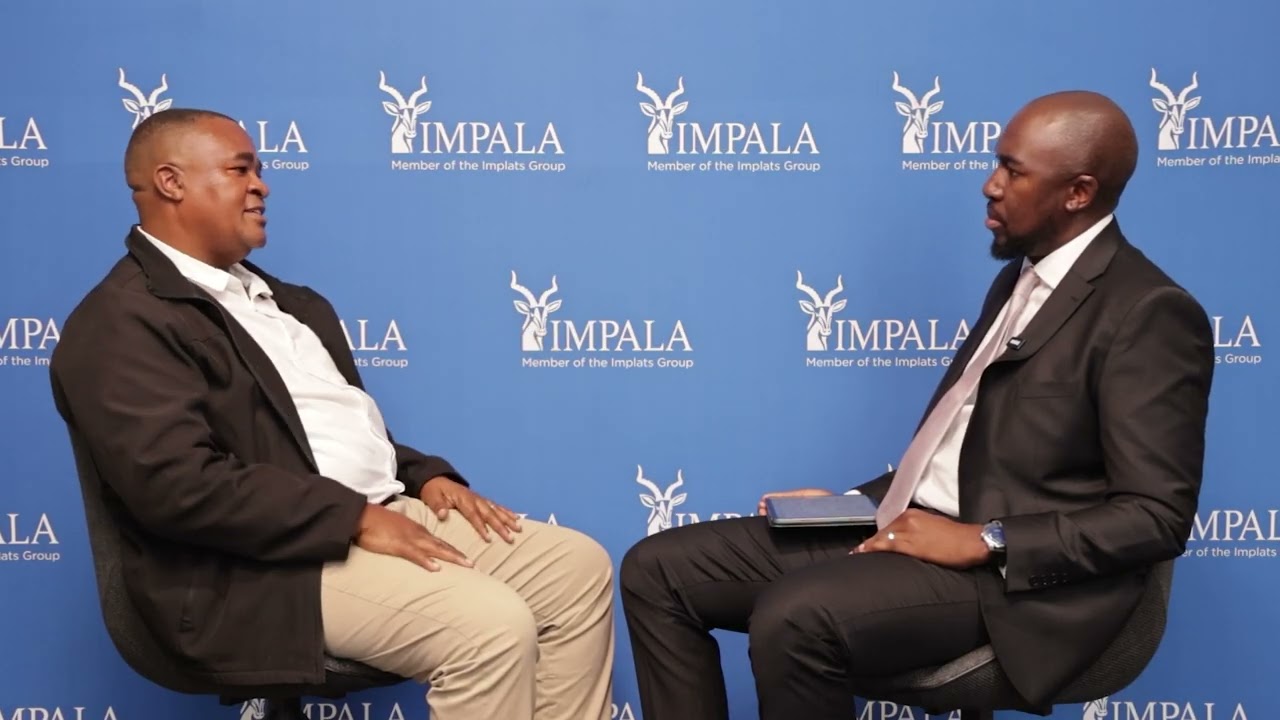
Speaking in the context of industry discussions around the Downstream Buyers Programme at the Investing in African Mining Indaba 2026 and an interview with MITV, Shango argued that stronger integration between miners, manufacturers and buyers is essential to ensure the continent captures more value from the global energy transition.
“For decades Africa has largely exported raw materials while importing finished products,” Shango said, framing the challenge as a shift “from extraction to innovation.”
On the importance of downstream buyers: “Downstream buyers are critical because demand ultimately shapes supply chains. If manufacturers anchor production in Africa, the continent can capture far more value from its mineral endowment.”
On collaboration across the mining ecosystem: “Mining companies alone cannot deliver industrialisation. It requires collaboration between governments, miners, infrastructure providers and downstream manufacturers to create a functioning ecosystem.”
On the energy-transition minerals opportunity: “The global energy transition presents Africa with a once-in-a-generation opportunity to reposition itself in global supply chains — but only if we move beyond exporting raw materials.”
On the urgency of building beneficiation capacity: “If Africa fails to develop downstream capability now, we risk repeating the same historical pattern of resource extraction without industrial development.”
Africa holds a dominant share of several minerals critical to the global energy transition, including copper, manganese, cobalt and platinum group metals, yet much of the value chain linked to these resources remains concentrated outside the continent.
Shango believes downstream buyers, ranging from battery manufacturers to industrial component producers, will play a decisive role in changing that dynamic. “Downstream demand ultimately drives industrialisation,” he noted. “If buyers anchor their supply chains in Africa rather than simply sourcing raw materials, the continent has a real opportunity to build processing industries and manufacturing capability.”
This approach could see Africa develop clusters around key mineral supply chains, including battery precursor processing, refining capacity and component manufacturing linked to renewable energy and electric mobility technologies. However, Shango cautioned that building these ecosystems will require far deeper collaboration between stakeholders across the mining value chain.
Governments, mining companies, infrastructure providers and downstream industrial players must work together to create the conditions needed for beneficiation and advanced processing industries to emerge. “Mining alone cannot drive industrialisation,” Shango said. “You need the entire ecosystem, from energy and logistics infrastructure to policy frameworks that encourage investment.”
Infrastructure constraints, particularly energy reliability and logistics capacity, remain among the most significant barriers to downstream investment across many African jurisdictions. Regulatory uncertainty and financing challenges can further deter companies looking to establish processing or manufacturing operations.
According to Shango, reducing these risks will be key to attracting the long-term capital required to build mineral-based industrial clusters. That may involve a combination of public–private partnerships, targeted industrial policy and financial mechanisms designed to de-risk large-scale processing and manufacturing projects. The timing, he argues, is critical.
Demand for minerals essential to electrification, decarbonisation and digital infrastructure is accelerating globally, creating what Shango describes as a narrow window for Africa to reposition itself within global supply chains. “If Africa does not move up the value chain now, it risks repeating the same historical pattern, exporting raw commodities while importing the finished products made from them,” he warned.
Instead, he believes the continent should use the critical minerals boom to establish new industrial capabilities that extend far beyond mining itself. “Africa has the resources,” Shango said. “The next step is ensuring those resources translate into industrial development, jobs and long-term economic resilience.”
“For decades Africa has largely exported raw materials while importing finished products,” Shango said, framing the challenge as a shift “from extraction to innovation.”
Verbatim
On moving beyond raw mineral exports: “Africa cannot continue to export raw minerals and import finished products made from them. The real opportunity is to move from extraction to innovation and build industries around our resources.”On the importance of downstream buyers: “Downstream buyers are critical because demand ultimately shapes supply chains. If manufacturers anchor production in Africa, the continent can capture far more value from its mineral endowment.”
On collaboration across the mining ecosystem: “Mining companies alone cannot deliver industrialisation. It requires collaboration between governments, miners, infrastructure providers and downstream manufacturers to create a functioning ecosystem.”
On the energy-transition minerals opportunity: “The global energy transition presents Africa with a once-in-a-generation opportunity to reposition itself in global supply chains — but only if we move beyond exporting raw materials.”
On the urgency of building beneficiation capacity: “If Africa fails to develop downstream capability now, we risk repeating the same historical pattern of resource extraction without industrial development.”
Africa holds a dominant share of several minerals critical to the global energy transition, including copper, manganese, cobalt and platinum group metals, yet much of the value chain linked to these resources remains concentrated outside the continent.
Shango believes downstream buyers, ranging from battery manufacturers to industrial component producers, will play a decisive role in changing that dynamic. “Downstream demand ultimately drives industrialisation,” he noted. “If buyers anchor their supply chains in Africa rather than simply sourcing raw materials, the continent has a real opportunity to build processing industries and manufacturing capability.”
This approach could see Africa develop clusters around key mineral supply chains, including battery precursor processing, refining capacity and component manufacturing linked to renewable energy and electric mobility technologies. However, Shango cautioned that building these ecosystems will require far deeper collaboration between stakeholders across the mining value chain.
Governments, mining companies, infrastructure providers and downstream industrial players must work together to create the conditions needed for beneficiation and advanced processing industries to emerge. “Mining alone cannot drive industrialisation,” Shango said. “You need the entire ecosystem, from energy and logistics infrastructure to policy frameworks that encourage investment.”
Infrastructure constraints, particularly energy reliability and logistics capacity, remain among the most significant barriers to downstream investment across many African jurisdictions. Regulatory uncertainty and financing challenges can further deter companies looking to establish processing or manufacturing operations.
According to Shango, reducing these risks will be key to attracting the long-term capital required to build mineral-based industrial clusters. That may involve a combination of public–private partnerships, targeted industrial policy and financial mechanisms designed to de-risk large-scale processing and manufacturing projects. The timing, he argues, is critical.
Demand for minerals essential to electrification, decarbonisation and digital infrastructure is accelerating globally, creating what Shango describes as a narrow window for Africa to reposition itself within global supply chains. “If Africa does not move up the value chain now, it risks repeating the same historical pattern, exporting raw commodities while importing the finished products made from them,” he warned.
Instead, he believes the continent should use the critical minerals boom to establish new industrial capabilities that extend far beyond mining itself. “Africa has the resources,” Shango said. “The next step is ensuring those resources translate into industrial development, jobs and long-term economic resilience.”
_2.jpg?ext=.jpg)








-Logo_CMYK_1.jpg?width=1000&height=500&ext=.jpg)








.png?width=300&height=208&ext=.png)

_mi25-weblogo.png?ext=.png)
_1.png?ext=.png)






























_logo.png?ext=.png)

_mi25-weblogo.png?ext=.png)