News & Media
Featured
Botswana’s pivot to critical minerals powered by diamonds
Tuesday, August 12, 2025
What's in this article
The nation now hosts exploration and early‑stage mining of copper, nickel, manganese, lithium, uranium, gold, and silver.
Significant investments include:
• Premium Resources: six‑month copper and nickel exploration in Selebi North and Selebi Main, launched in April 2025
• BHP: acquired stakes in Kitlanya East and West copper‑nickel projects, signalling a private‑sector vote of confidence
• Lotus Resources: progressing the Letlhakane uranium project, confirmed viable in March 2025 with up to 3 million pounds/year output
• Botswana Diamonds: using AI‑driven exploration to identify new gold, copper, and platinum group targets since late 2024
President Duma Boko and other leaders emphasize AI, digital infrastructure, and renewable energy investments to support critical mineral extraction and beneficiation, including solar farms, mini‑grids, data centres, and innovation hubs. Given that these minerals are essential to clean energy transitions Botswana is positioning itself as a key supplier to global supply chains.
Botswana’s success stems from robust frameworks: a stable Mining Act, minimal amendments, no ministerial discretion, and efficient license administration via an online cadastre. The country routinely invests in public geophysical surveys and disseminates data to attract private investment.
Botswana’s emphasis is shifting from raw exports to localized value addition. Okavango Diamond Company is increasing rough‑diamond share aims to scale domestic cutting and polishing. The Diamond Technology Park in Gaborone now hosts manufacturers, gem labs, and innovation clusters adjacent to the Botswana Innovation Hub.
Despite strong fundamentals, key challenges remain:
• Balancing investor confidence and local empowerment: Proposed policy reforms, including raising state minority stakes (via paid equity options up to 24%), must avoid deterring foreign investment or enabling rent‑seeking
• Ensuring transparency in new funds and agreements: For example, the DDF and Pula Fund need open governance to ensure anti‑corruption and real developmental impact
• Economic inclusion and workforce transition: With youth unemployment high, scaling rural education and building capabilities for agribusiness and tourism is pressing
• Financing infrastructure and value‑chain development: Rail connectivity, industrial zones, and energy infrastructure are essential enablers of beneficiation exports
If Botswana continues refining its ESG practices, transparency in new funds, and inclusive growth projects, then its story may become not just a diamond success, but a global model of resource‑led, diversified development.
NextGen
Mining Service Providers
Major & Mid-Tier Mining Companies
Investors
Exploration & Junior Mining Companies
Downstream Buyers
Communities
Governments
Critical & Strategic Minerals
Investment
Governance & Policy
Market News
Related articles

Wednesday, November 12, 2025
Africa’s Critical Minerals: the decade that will define global power
As the US–China rivalry deepens, Africa’s mineral wealth is emerging as both opportunity and leverage. The next ten years will determine whether the continent remains a source of raw materials - or becomes an industrial power in its own right.
Digital Diaries
Wednesday, November 5, 2025
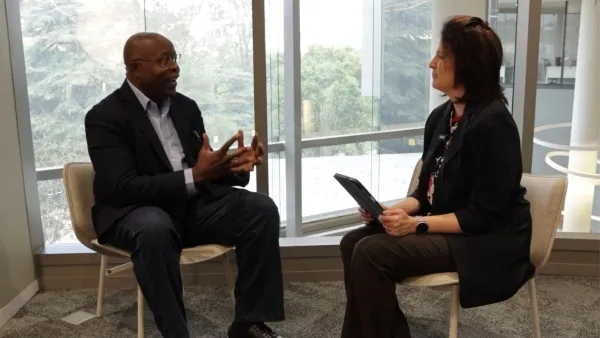
Digital Diary - Ben Magara, CEO of Exxaro Resources
In this exclusive conversation with Ben Magara, CEO of Exxaro Resources, our Product Director, Laura Nicholson, discusses Exxaro’s growth and diversification into manganese and renewable energy.
Articles
Thursday, July 17, 2025
Critical Minerals: Pivotal Outlook – Free Access Until September 5
Explore nearly 500 African critical mineral projects on a single, powerful platform.











-ltd-a325b1d3-6414-476b-9b7e-20c2285d5a51.webp?language=en)


-Primary-Logo.webp?language=en)