News & Media
Featured
Ghana: Gold legacy, lithium future
Tuesday, October 21, 2025
Today, lithium is stepping onto the stage with the Ewoyaa project, the country’s first commercial lithium mine.
If lithium is the future, gold remains the foundation, and it is being modernised. The GoldBod Act (2025) establishes the Ghana Gold Board to regulate artisanal and small-scale mining (ASM), eliminate foreign middlemen, and curb illicit flows that have drained revenue and undermined environmental standards. Planned mining-law reforms add further teeth: direct community revenue-sharing and shorter licence tenures to improve accountability, encourage compliance, and give local authorities and miners clearer lines of responsibility. The message is unambiguous: Ghana will formalise, professionalise, and humanise the gold economy while using its lessons to inform the rise of critical minerals.
The lithium agenda is already drawing investment and tightening governance. Ewoyaa positions Ghana as a credible supplier to global battery markets, with estimated output of ~300,000 tons of spodumene concentrate annually. The Minerals Income Investment Fund (MIIF) has completed its initial investment (in January 2024), and has further stated its intent to make an additional US$27.9m investment at a project level, signalling national confidence and ensuring Ghana participates not only as regulator and host, but as shareholder. Layered onto this are local content requirements, from Ghanaian hiring pipelines to domestic procurement that stitch mining into the real economy and push industry to develop feasibility plans for in-country value addition.
Critically, Ghana’s strategy is broader than lithium. A deliberate diversification drive is unfolding across manganese (where Ghana is already a top global supplier), graphite (notably in the Upper West Region, with potential for high-quality flake concentrate), and new discoveries like tantalum in the Baywadzi–Manozi area. These minerals feed clean-energy technologies, battery manufacturing, lightweight metals, and grid infrastructure. Ghana is building the industrial scaffolding needed to climb the value chain by fostering cross-mineral linkages - think aluminium from bauxite for renewable infrastructure, feldspar and kaolin by-products for local ceramics, and a future chemical plant to process lithium.
Communities remain crucible where policy meets lived reality. The Ewoyaa lease includes a Community Development Fund (1% of project revenue), and the government’s reform agenda places a premium on consultation, fair compensation, and resettlement that improves rather than diminishes quality of life. The revamped ASM framework aims to replace informality with dignity: mercury-free methods, land reclamation, training, and financial inclusion. If Ghana succeeds in linking 70% local employment targets to technical training and apprenticeships, the lithium economy can become a ladder of opportunity for youth across Central Region and beyond.
“Our message to investors is clear - come to Ghana with a spirit of partnership. We believe in mutually beneficial collaboration, where investors achieve fair and sustainable returns while contributing to the prosperity and well-being of the communities in which they operate.”
Hon. Emmanuel Armah-Kofi Buah, Minister of Energy and Mines, Republic of Ghana
Challenges persist and Ghana is facing them head-on. Licensing clarity and regulatory agility will be tested as more local concessionaires seek strategic partners to scale exploration and development. Infrastructure and logistics must keep pace: ports, power, water, and roads will determine how quickly in-country processing becomes competitive.
On the governance side, parliamentary ratification, open fiscal terms, and rigorous environmental and social safeguards will be essential to maintain public trust. Transparent pricing, vigilant oversight of transfer pricing, and consistent application of local content rules will decide whether the promise of beneficiation turns into factories, payrolls, and tax receipts.
Yet the direction of travel is unmistakable. Ghana is crafting a minerals model where tradition meets transformation: where the Golden Stool, a symbol of heritage and sovereignty, stands alongside the green minerals powering tomorrow’s economies. With critical minerals as a catalyst, reform of the gold sector as a stabiliser, and a policy architecture that insists on value addition, local participation, and community benefit, Ghana is building a mining economy fit for the energy transition. It’s a story of future-proofed prosperity rather than a rush for rocks, a strategy for resilience grounded in rules, powered by partnerships, and measured in livelihoods improved.
Gold legacy. Lithium future. Ghana’s next chapter is being written in both.
Have you downloaded Issue 2 | The Digital Mining Pulse | September 2025?
Market News
Related articles
.webp?language=en)
Articles
Thursday, October 22, 2026
Building a competitive African automotive industry for the next generation
Africa’s mineral resources give the continent an important stake in the future of automotive manufacturing.
Articles
Tuesday, October 20, 2026
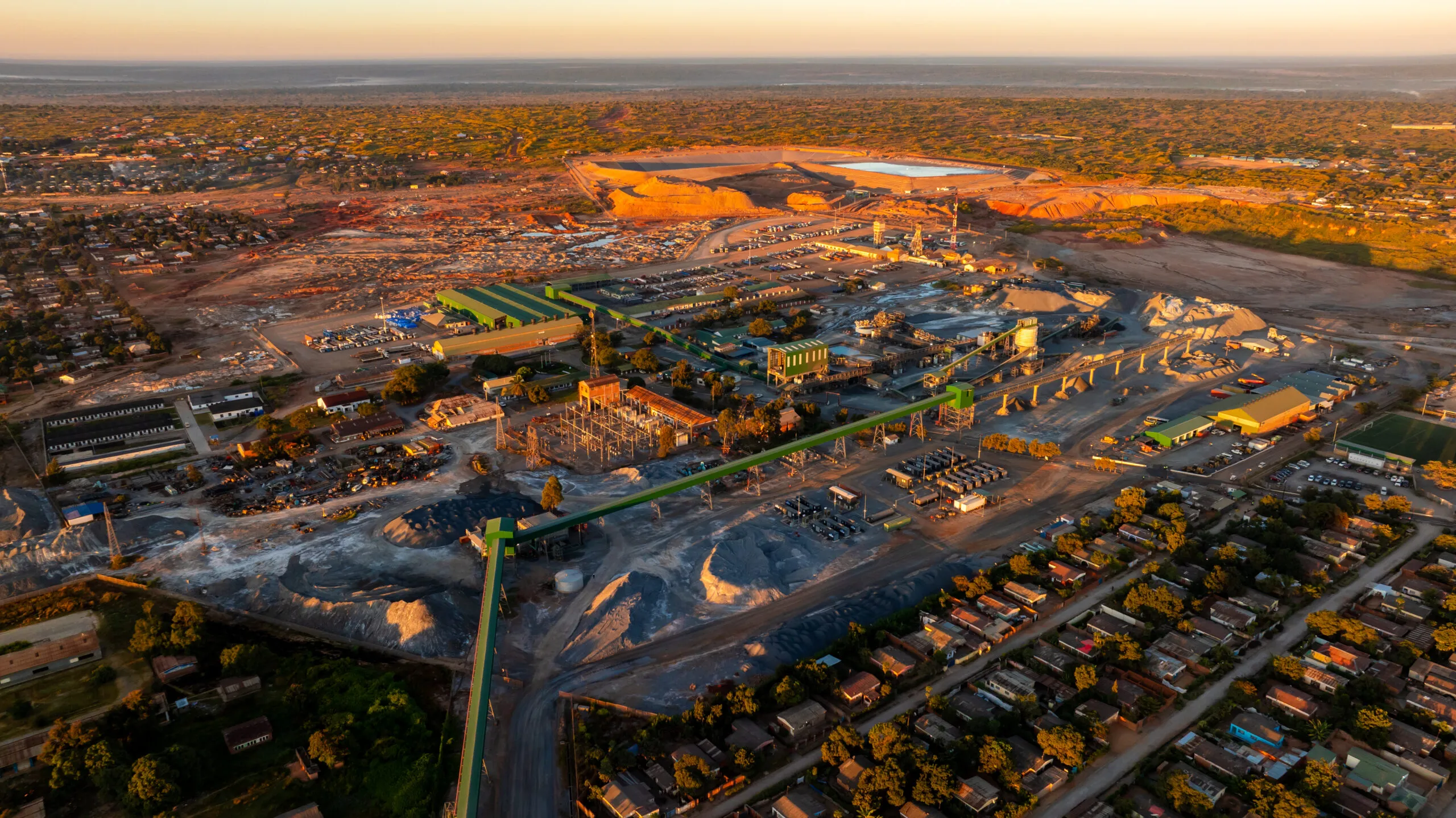
From century-old mine to global zinc powerhouse
Kipushi has demonstrated that an established mine can be revitalised through high-grade resources, new processing infrastructure and sustained investment.
Articles
Monday, October 19, 2026
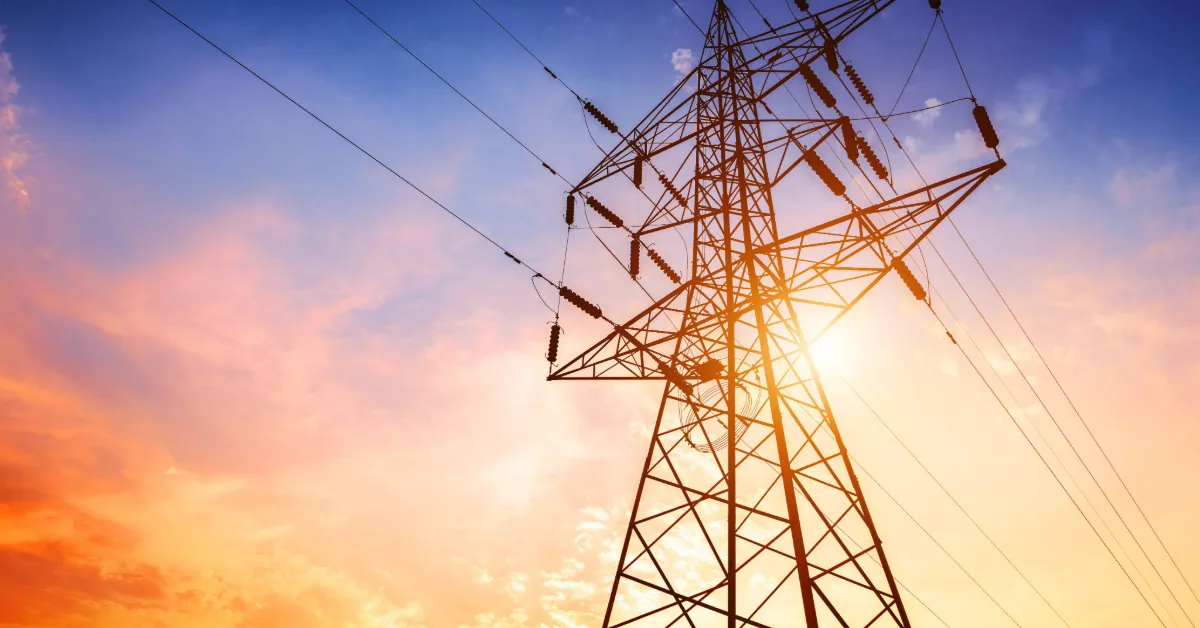
Beyond the Mine- $300 Million Zambia–DRC Energy Deal to Drive Mineral Value Addition
Landmark cross-border electricity project could deliver up to 550 MW unlocking copper and cobalt production, mineral beneficiation and regional industrial development.







-ltd-a325b1d3-6414-476b-9b7e-20c2285d5a51.webp?language=en)

-Primary-Logo.webp?language=en)