News & Media
Featured
Partnerships to drive mining finance in Africa
Monday, March 9, 2026
What's in this article
- 1.Verbatim
- 2.Mining projects now require an ecosystem financing model
- a.What this means
- 3.Pan-African banks play a strategic bridging role
- 4.The definition of “bankability” in mining is evolving
- 5.Broadly speaking
- 6.What is shaping African mining finance today?
- a.From traditional bank lending → hybrid and alternative financing
- 7.Rise of streaming and royalty companies
- 8.Development finance institutions (DFIs) are far more influential
- a.Financing is shifting from single mines → integrated mineral corridors
- b.The energy transition has reshaped investment priorities
- c.ESG and sustainability-linked finance are now central
- d.Governments are demanding a larger share of mining revenues
- e.Sovereign wealth funds and resource-backed finance are emerging
- f.Capital markets are fragmenting geographically
- g.Financing now prioritises local beneficiation and industrialisation
- 9.The big picture
Verbatim
“Africa’s mining sector is evolving beyond pure extraction, the real opportunity lies in integrating capital with infrastructure, power and local supply chains.”
On how mining investment is shifting towards broader economic ecosystems
“We finance mining that creates value, for business, for communities, and for Africa. From pit to port to power grid, this is how Africa captures value."
Reflecting Ecobank’s strategic approach to mining finance at Indaba
“The definition of risk is evolving, global instability is reshaping how investors assess risk in Africa’s mining landscape.”
On changing risk perceptions during periods of market volatility
“Global volatility is forcing investors to reassess risk, but it also brings Africa’s growth story into sharper focus.”
On whether instability might improve Africa’s relative attractiveness to capital
“Bankable opportunities are emerging where capital is connected efficiently to credible local and cross-border projects.”
On what differentiates successful projects in the current investment environment
Mining projects now require an ecosystem financing model
Larbie emphasised that the African mining sector is moving beyond simple extraction projects toward integrated value-chain development. “Africa’s mining sector is moving beyond pure extraction toward integrated ecosystems.”
What this means
Financing increasingly includes power infrastructure, transport corridors, logistics and local supply chains.
Banks must structure funding packages that cover multi-sector development around the mine, not just the mine itself. This aligns with large regional projects such as mining corridors and energy infrastructure supporting mineral exports.
Pan-African banks play a strategic bridging role
Larbie highlighted the importance of regional financial institutions in mobilising capital for complex mining projects across multiple jurisdictions. Key perspective:
- Pan-African banks like Ecobank can bridge international capital and local project execution.
- Their local market knowledge and cross-border presence helps structure financing for projects spanning several countries.
- This is particularly important for corridor-style projects involving rail, ports and multiple mining operations.
The definition of “bankability” in mining is evolving
Larbie stressed that financing decisions are no longer based only on resource size and projected returns.
New factors shaping bankability include:
ESG performance and community impact I Decarbonisation and energy transition requirements I Execution risks and political stability I Infrastructure readiness
These considerations are reshaping how banks evaluate mining investments in Africa.
Broadly speaking
Larbie’s message was that Africa’s mining boom will only be financed through partnerships. These partnerships will involve banks, governments, development finance institutions and private investors. Financing will become increasingly structured around integrated mineral ecosystems rather than standalone mines. While those insights aren’t the same as his recent mining-focused remarks, they show a continuous interest in broader African project financing and investor risk frameworks beyond just commodity sectors.
What is shaping African mining finance today?
From traditional bank lending → hybrid and alternative financing
Ten years ago, most mining projects relied heavily on commercial bank project finance and equity markets. Today, miners increasingly use:
Royalty financing I streaming deals I Prepayment / offtake financing I Mezzanine and hybrid debt-equity structures
These structures allow companies to monetise future production to raise upfront capital and reduce equity dilution. This shift is particularly important for junior and mid-tier African miners that struggle to secure traditional loans.
Rise of streaming and royalty companies
Streaming and royalty financing have expanded dramatically in the past decade. Under these models:
Investors provide upfront capital I In exchange for a share of future production or revenue
They have become a major source of capital for African projects where traditional funding is difficult to secure.
Development finance institutions (DFIs) are far more influential
Ten years ago, DFIs played a supporting role. Today they are central to large mining investments, including:
African Development Bank I Africa Finance Corporation I African Export–Import Bank
These institutions:
Provide risk mitigation I Anchor financing packages I Fund infrastructure corridors linked to mining
For example, infrastructure financing linked to the Lobito Corridor aims to unlock copper and cobalt exports from the Central African Copperbelt.
Financing is shifting from single mines → integrated mineral corridors
A decade ago, finance focused mainly on individual mining projects. Today financing increasingly covers entire mineral ecosystems, including:
Railways I Ports I Power generation I Processing facilities
Banks now adopt a “mine-to-market” approach linking extraction with logistics and industrialisation.
The energy transition has reshaped investment priorities
The global energy transition has dramatically increased demand for:
Copper I Lithium I Cobalt I Nickel I Graphite I Rare earths
As a result, financing is increasingly directed toward battery and critical minerals projects, often tied to global supply-chain strategies.
ESG and sustainability-linked finance are now central
Ten years ago, ESG considerations were secondary in project financing. Today investors and banks require:
Environmental safeguards I Community impact frameworks I Governance transparency
This has led to sustainability-linked loans and ESG-linked funding structures for mining projects.
Governments are demanding a larger share of mining revenues
Across Africa, governments are renegotiating fiscal terms. Recent examples include:
- Ghana increasing mining royalties and ending stability agreements
- Ivory Coast raising royalties to 8% revenue
This trend reflects resource nationalism and fiscal pressure, which affects project financing models.
Sovereign wealth funds and resource-backed finance are emerging
Some countries are using mining revenues to build sovereign wealth funds or strategic investment vehicles. Example: Guinea plans a sovereign wealth fund funded by the Simandou iron ore project. These mechanisms aim to stabilise revenues and reinvest mining wealth domestically.
Capital markets are fragmenting geographically
Ten years ago, most mining capital came from: London I Toronto I Johannesburg
Today funding is more diversified:
Gulf sovereign wealth funds I Asian banks I Commodity traders I African banks and DFIs
This has made African mining finance more multipolar and geopolitically strategic.
Financing now prioritises local beneficiation and industrialisation
Historically Africa exported raw ore. Now financing increasingly supports:
Smelting and refining I Battery material processing I Downstream manufacturing
Processing minerals locally could increase the value of African mineral output by up to ~75% by 2040.
The big picture
Over the past decade, African mining finance has evolved from: Traditional project finance → complex ecosystem financing
Key characteristics of the new model:
Hybrid capital structures I DFI participation I Infrastructure-linked investments I Energy-transition minerals I ESG-driven funding I Resource nationalism
The African mining sector is shifting toward large, integrated, geopolitically strategic projects financed through multi-layered capital structures rather than simple mine financing.
Market News
Related articles
Articles
Tuesday, October 20, 2026
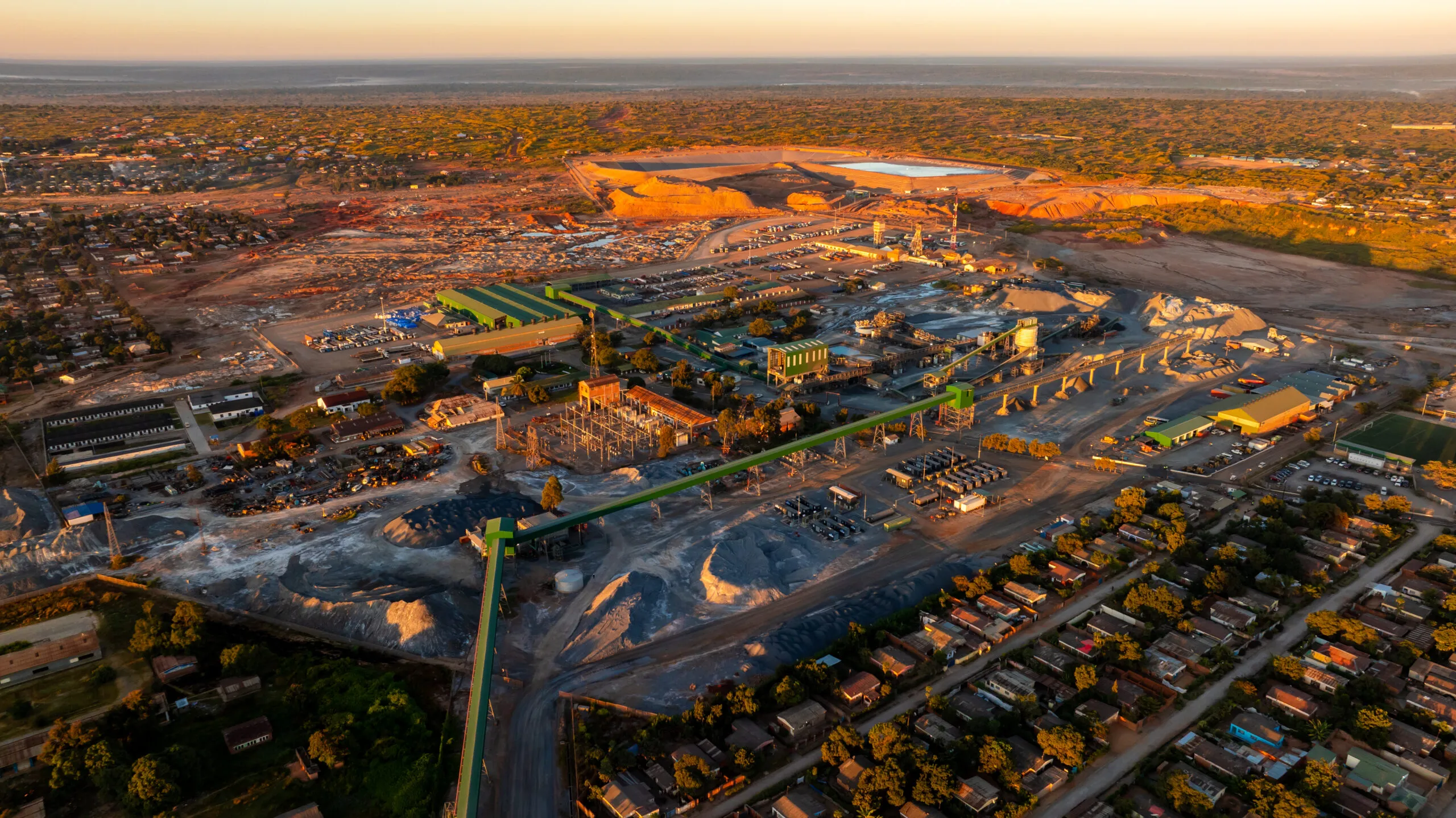
From century-old mine to global zinc powerhouse
Kipushi has demonstrated that an established mine can be revitalised through high-grade resources, new processing infrastructure and sustained investment.
Articles
Monday, October 19, 2026
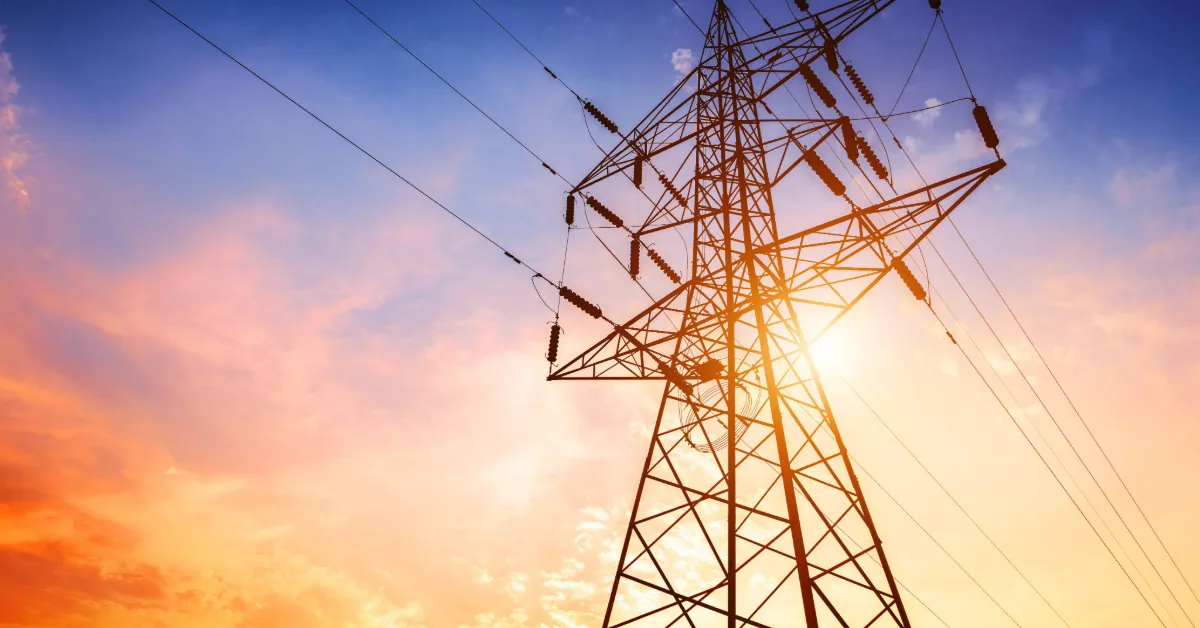
Beyond the Mine- $300 Million Zambia–DRC Energy Deal to Drive Mineral Value Addition
Landmark cross-border electricity project could deliver up to 550 MW unlocking copper and cobalt production, mineral beneficiation and regional industrial development.
.webp?language=en)
Articles
Thursday, October 15, 2026
Fortescue’s Bélinga project tops $600 m in spending as Gabon iron-ore ambitions advance
Fortescue has significantly increased its investment and exploration activity at Gabon’s Bélinga iron-ore project.









-ltd-a325b1d3-6414-476b-9b7e-20c2285d5a51.webp?language=en)

-Primary-Logo.webp?language=en)