News & Media
Featured
The future of African mining lies not only in the ground
Dr Theo Acheampong
Monday, October 6, 2025
What's in this article
AUTHOR: Dr Theo Acheampong
Research and Markets Lead, CMAG
Market demand trends from key global industries
Yet, the manner in which African countries harness these resources is shaped by a complex mix of competitive, cooperative regional dynamics, as well as the needs of downstream buyers. On one hand, many nations, including those in Africa, are pursuing nationalistic strategies to capture more value domestically by restricting raw exports and demanding local processing. On the other hand, there is growing momentum for countries and regional blocs to explore joint ventures, shared infrastructure, and integrated value chains.
Furthermore, downstream buyers of these mineral products are increasingly under pressure to ensure higher procurement as well as environmental, social, and governance (ESG) standards: guaranteeing human rights and local community engagement, implementing transparent and ethical governance, and using technology for traceability, among others. This is driven by investor interest, global demand for responsibly sourced minerals, as well as multilateral and bilateral initiatives, such as the Minerals Security Partnership (MSP) and the EU’s strategic raw material partnerships.
The remainder of this article assesses the evolving role of downstream buyers in shaping responsible and sustainable African mining supply chains. It focuses on how downstream buyer behaviour, procurement standards, and ESG commitments are driving change in production, trade, and investment flows, and the implications for attracting investment into responsible supply chains on the continent.
Downstream buyers’ expectations on ESG, traceability, and local value addition
Several frameworks and standards – such as the OECD Due Diligence Guidance, IRMA’s Chain of Custody Standard, GRI’s Sector Standard for Mining –provide guidance for companies to build sustainable supply chains, meet regulatory requirements, and enhance their reputation. However, meeting these standards, especially in an increasingly complex global supply chain, where the sourcing of mineral products by downstream buyers spans several jurisdictions, can be a challenge.
There are reports of artisanally mined products, like coltan, from conflict jurisdictions entering global supply chains, posing a serious threat to the integrity and credibility of mineral traceability. For example, there are concerns about ongoing mineral (coltan, tin, tantalum and tungsten) smuggling from the mineral-rich and conflict-prone eastern Democratic Republic of Congo into neighbouring countries, and which are then mixed with local production and subsequently enters downstream supply chains.
Nevertheless, there are emerging case studies of downstream buyers and producers forging partnerships that have created shared value and improved the integrity and credibility of mineral traceability in Africa, especially within the large-scale mining sector. Automakers, battery firms, and cable/turbine OEMs are signing multi-year offtakes with ESG-linked clauses that include traceability, community engagement, and decarbonisation milestones.
In 2022, global carmaker, The Renault Group, signed a seven-year agreement with Morocco’s Managem to source 5,000 tonnes per year of low-carbon cobalt sulfate with full traceability. The company’s policy imposes an obligation on suppliers to verify and inform Groupe Renault whether the minerals included in the materials or parts are conflict-affected or high-risk minerals such as tungsten, tantalum, and tin.
Similarly, Tesla’s offtake with Australian graphite miner Syrah Resources Ltd (which is supported by the US International Development Finance Corporation) for output from the Balama mine in Mozambique has strong ESG requirements. Balama is being independently assessed against the IRMA Standard for Responsible Mining, one of the most comprehensive and rigorous mining standards. Likewise, the Tenke Fungurume Mine in the Lualaba Province in the DRC, which is owned by Chinese company CMOC Group Limited (80%) and DRC’s Gecamines (20%), is also undergoing an IRMA assessment.
China’s battery champion CATL has acquired equity with CMOC in other projects in the DRC, such as the Kisanfu copper–cobalt project, allowing them access to assured and spec-compliant supply while providing capital for de-risking African mining projects.
These initiatives are not limited to the large-scale mining sector. Cross-industry initiatives like Cobalt for Development – backed by multinationals including BMW, BASF, and Samsung SDI, and implemented by Deutsche Gesellschaft für Internationale Zusammenarbeit (GIZ) in collaboration with nongovernmental organisations—are training artisanal miners in Kolwezi, DRC, on safety and environmental practices. Approximately 12 artisanal mining cooperatives comprising more than 1,500 miners are being trained. Such moves reflect a pragmatic buyer stance: seeking to formalise artisanal and small-scale mining to raise standards to secure compliant supply rather than discourage ASM.
Strengthening negotiating power with global downstream buyers through collaboration and innovation
Ultimately, downstream buyers will continue to face increased pressure for verifiable compliance with ESG and other standards. Mining assets and products that meet stringent integrity and mineral traceability benchmarks are highly likely to command better contract terms. Downstream buyers will increasingly seek African mineral supplies that meet the following requirements: Firstly, rigorous ESG due diligence and assurance – buyers want verifiable compliance with labour rights, community impacts, resettlement, and water stewardship, among other key issues. Alignment with international benchmarks will be pivotal in demonstrating compliance.
Secondly, the use of full traceability and chain-of-custody auditable control technologies, such as IoT, blockchain, and advanced mass balances, will become commonplace for assessments. Finally, while ASM will remain significant within particular mineral clusters, the use of formalization techniques, such as establishing cooperatives, can help improve safety protocols, prevent child labour, ensure fair pricing, and establish transparent buying networks.
Market News
Related articles
Articles
Thursday, September 17, 2026
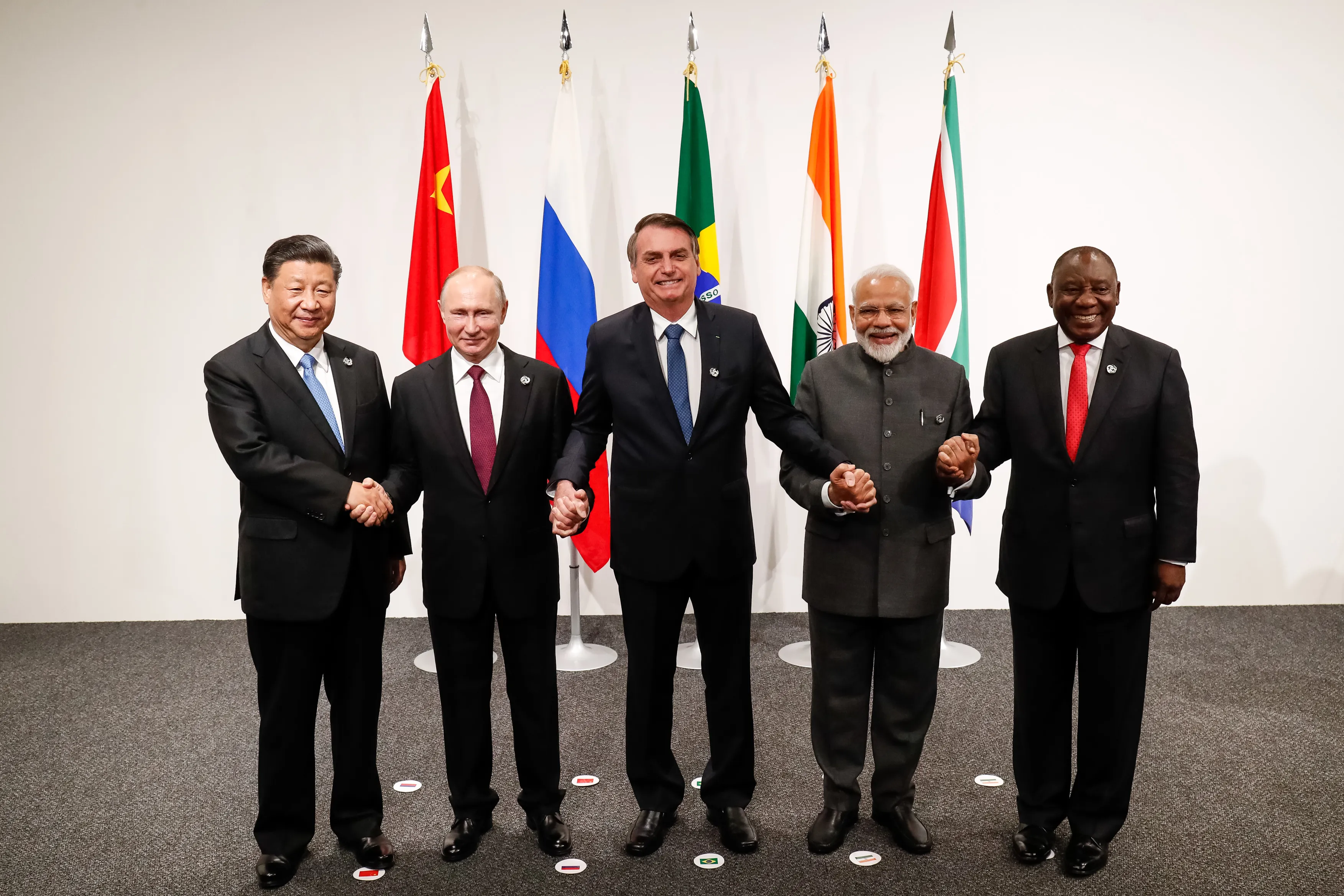
What does the BRICS summit mean for Africa’s mining value chains?
The BRICS summit has sharpened the race to secure critical minerals – but for Africa, the bigger opportunity is capturing more of the value created after extraction.

Articles
Wednesday, September 16, 2026
What does Dangote’s refinery mean for Africa’s mining ambitions?
The value of a resource can change dramatically when processing, capital and ownership move closer to the point of production.
Articles
Tuesday, September 15, 2026
Transnet gains momentum as rail reform and investment reshape mining logistics
Return to profitability signals progress, but logistics recovery remains a work in progress.









-ltd-a325b1d3-6414-476b-9b7e-20c2285d5a51.webp?language=en)

-Primary-Logo.webp?language=en)