News & Media
Featured
Top 10 mining trends to watch in 2026
Wednesday, January 7, 2026
What's in this article
- 1.1. Copper: The electrification and AI infrastructure engine
- 2.2. Gold: Safe haven and central bank accumulation
- 3.3. Lithium and battery metals: EV & energy storage pivot
- 4.4. Critical minerals and supply chain diversification
- 5.5. Iron Ore: Steel demand and decarbonisation pressure
- 6.6. Coal: Balancing energy transition and peak demand
- 7.7. Digital transformation across commodities
- 8.8. ESG and decarbonisation across all commodities
- 9.9. Joint ventures and collaboration models
- 10.10. Regional mining power shifts
- a.HAVE YOU DOWNLOADED OUR LATEST EDITION OF THE DIGITAL MINING PULSE?
As the global mining industry navigates shifting demand, tightening supply, and accelerating technological change, 2026 is shaping up to be a pivotal year for investors, producers, and supply-chain stakeholders. Across major commodities, copper, gold, iron ore, coal, lithium, and critical minerals - industry dynamics are increasingly defined by electrification, decarbonisation, geopolitical considerations, and digital innovation.
1. Copper: The electrification and AI infrastructure engine
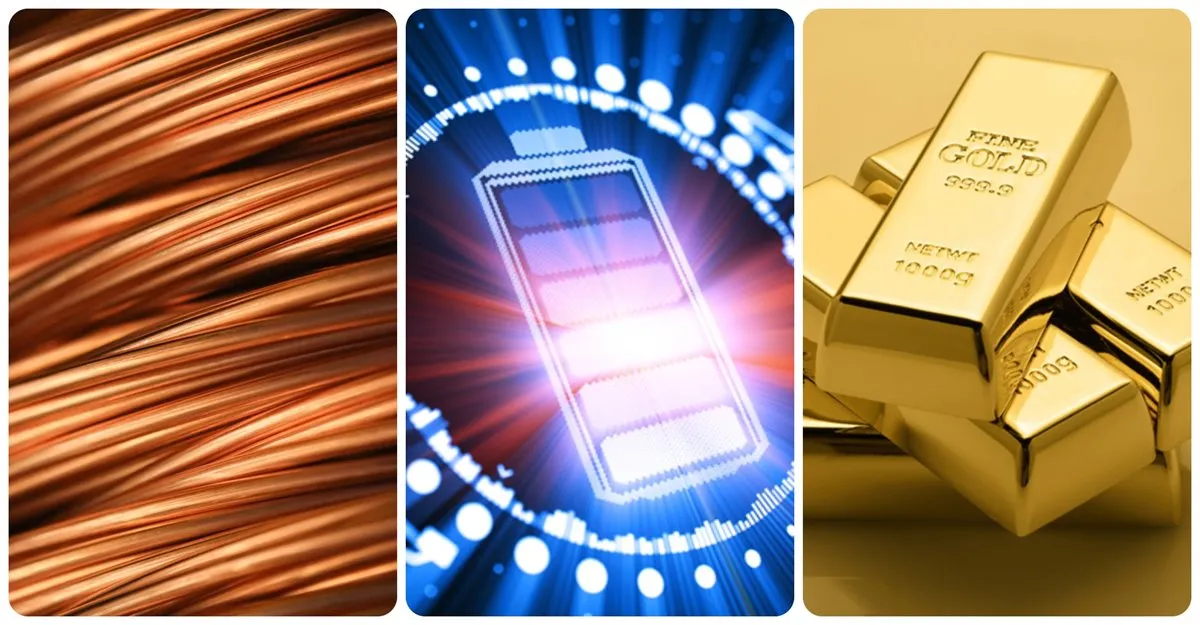
Copper remains the backbone of electrification, powering grids, renewable infrastructure, and data centres. Prices have reached historic highs as demand accelerates, yet analysts project existing and planned supply will meet only about 70% of global demand by 2035.
Key considerations for 2026:
- Investment in new mining and processing capacity
- Expansion of recycling and scrap metal initiatives
- Geopolitical controls on copper exports and strategic metals
2. Gold: Safe haven and central bank accumulation
Gold continues to shine amid macroeconomic uncertainty. Central banks are accumulating reserves, geopolitical tensions persist, and inflation expectations remain elevated, sustaining strong demand. Portfolio allocations toward gold remain attractive during periods of equity market volatility.
Watch out for:
- Policy adjustments by major central banks
- Emerging-market reserve accumulation
- Shifts in hedging strategies versus opportunity costs of interest rates
3. Lithium and battery metals: EV & energy storage pivot
Battery metals, including lithium, cobalt, and nickel, are central to electric vehicles and renewable energy storage. While prices are volatile, long-term demand is underpinned by global decarbonisation agendas and expanding EV adoption.
Opportunities:
- Scaling direct lithium extraction (DLE) technologies
- Expanding downstream refining outside China
- Monitoring EV adoption versus macroeconomic shifts
4. Critical minerals and supply chain diversification
Supply security for critical minerals is now a strategic priority. Governments and miners are actively diversifying sourcing, establishing domestic processing, and leveraging traceability tools like blockchain.
Focus areas:
- Export controls and tariff regimes
- Regional alliances, such as US-Australia partnerships
- ESG compliance and blockchain-enabled traceability
5. Iron Ore: Steel demand and decarbonisation pressure
Iron ore demand remains tied to global steel production and construction cycles. However, the rise of green steel technologies, including hydrogen-based reduction, is set to reshape the sector.
Key factors:
- Infrastructure policy developments in China
- Adoption curves for low-carbon steel
- Optimization of feedstock and supply logistics
6. Coal: Balancing energy transition and peak demand
Despite global decarbonisation trends, thermal coal remains significant in Asia. Supply growth is tempered by regulatory costs and bottlenecks, while metallurgical coal continues to serve industrial needs.
Monitoring points:
- Policy alignment between coal power and renewables
- Environmental compliance costs
- Thermal vs metallurgical coal market dynamics
7. Digital transformation across commodities
AI, automation, and blockchain are reshaping exploration, operations, and supply-chain management. Predictive analytics enhance exploration efficiency, while blockchain enables transparency in ESG-conscious sourcing.
Actionable trends:
- Integration of autonomous operations
- Adoption of predictive AI models for mining and processing
- Blockchain for traceable sourcing in precious and critical metals
8. ESG and decarbonisation across all commodities
Sustainability is moving beyond compliance to become a competitive differentiator. Renewable-powered operations, carbon monitoring, and low-impact beneficiation now command premium valuations.
Considerations:
- • Regulatory carbon pricing mechanisms
- • Renewable energy integration in remote mining operations
- • ESG disclosure frameworks for investors and stakeholders
9. Joint ventures and collaboration models
Strategic partnerships mitigate risk and accelerate development, particularly in regions with infrastructure constraints or complex political landscapes.
Trends to watch:
- Cross-border and public-private joint venture structures
- Indigenous engagement and community partnership frameworks
- Infrastructure co-investment to reduce capital intensity
10. Regional mining power shifts
Emerging mining hubs in Africa, Latin America, and Southeast Asia are attracting investment in copper, lithium, and critical minerals. Legacy producers continue to dominate traditional commodities, while national policies increasingly aim to capture downstream value.
Key focus areas:
- Evaluating country-level investment attractiveness
- Balancing local processing versus export strategies
- Managing resource nationalism risks
HAVE YOU DOWNLOADED OUR LATEST EDITION OF THE DIGITAL MINING PULSE?
Market News
Leadership
Investors
Governments
Related articles
Tuesday, January 6, 2026
Mining projects to watch in Africa: per commodity
Diversification beyond traditional commodities such as gold and PGMs into battery and critical minerals underscores Africa’s expanding role in global strategic metals markets.
Monday, January 5, 2026
Mining mergers and acquisitions to watch this year
The global mining sector is entering 2026 with significant M&A activity poised to reshape industry scale, portfolios, and regional influence.
Digital Diaries
Wednesday, November 5, 2025
Digital Diary - Ben Magara, CEO of Exxaro Resources
In this exclusive conversation with Ben Magara, CEO of Exxaro Resources, our Product Director, Laura Nicholson, discusses Exxaro’s growth and diversification into manganese and renewable energy.











-ltd-a325b1d3-6414-476b-9b7e-20c2285d5a51.webp?language=en)


-Primary-Logo.webp?language=en)