O debate em torno de um eventual imposto sobre a exportação de minério de cromo intensificou-se nos últimos meses, com os decisores políticos a explorar formas de redirecionar o minério para as fundições nacionais.
Japie Fullard, diretor executivo da Glencore Ferroalloys, aproveitou a sua intervenção na Mining Indaba 2026 para reforçar a posição do setor relativamente ao beneficiamento do cromo: a política fiscal, por si só, não será suficiente para revitalizar o setor do ferrocromo da África do Sul sem uma reforma estrutural mais profunda.
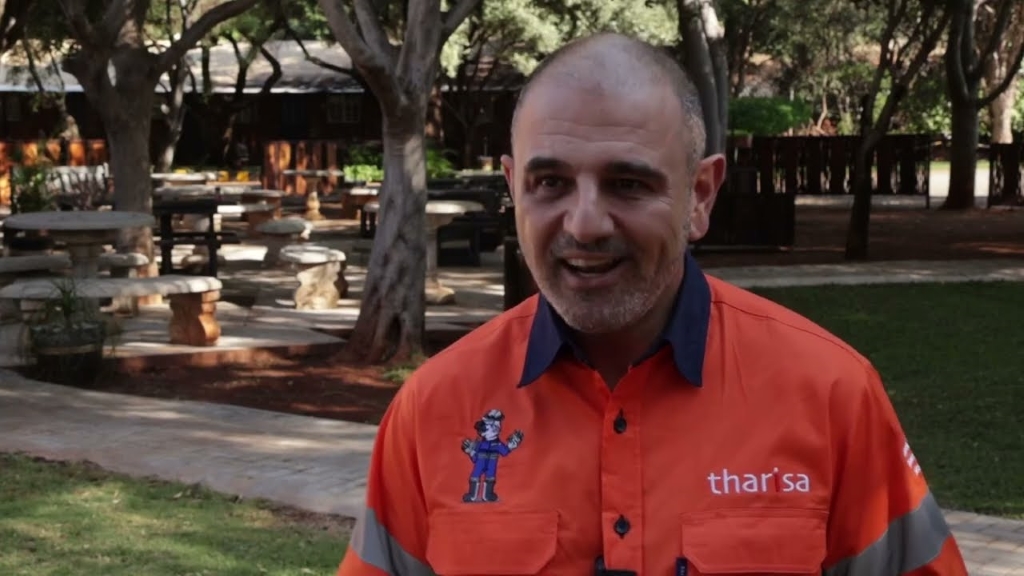
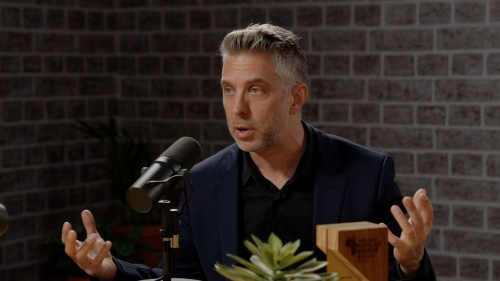
Ao intervir num painel intitulado «Pode a política fiscal impulsionar o beneficiamento do cromo?» e em intervenções subsequentes junto dos meios de comunicação social, incluindo uma entrevista com a MITV, Fullard expôs uma posição clara: a valorização deve ser promovida através da competitividade, e não imposta por meio de instrumentos regulatórios pouco flexíveis.
Ele caracterizou os impostos sobre as exportações como um «instrumento pouco preciso», alertando que estes poderiam distorcer a cadeia de valor e prejudicar inadvertidamente os produtores não integrados que dependem dos mercados de exportação. A questão política central levantada durante a sessão da Indaba foi como promover a valorização «sem afetar negativamente as operações existentes» — uma preocupação que está no cerne do argumento de Fullard. Em vez de redistribuir valor dentro do setor, ele enfatizou que a política deveria apoiar um ecossistema equilibrado que abranja mineradoras, fundições e atores a jusante.
A fundição de ferrocromo é um processo que consome muita energia, e os produtores sul-africanos têm vindo a perder terreno face aos concorrentes globais — em particular a China —, onde os custos da energia são mais baixos e mais previsíveis. Fullard salientou também a importância de desenvolver estratégias energéticas, incluindo energias renováveis e autogeração, como parte da solução para recuperar a competitividade.
A reforma energética como base: Tarifas competitivas, segurança energética e apoio a soluções energéticas alternativas
Concepção de políticas em sintonia com o mercado: Evitar distorções artificiais, tais como restrições à exportação mal estruturadas
Apoio a toda a cadeia de valor: Garantir que as políticas não favoreçam um segmento em detrimento de outro
Um roteiro nacional claro para a valorização: integrar energia, logística, competências e capital numa única estratégia
A mensagem geral de Fullard é que o beneficiamento deve ser economicamente viável por si só, em vez de depender de medidas de proteção.
Ao intervir num painel intitulado «Pode a política fiscal impulsionar o beneficiamento do cromo?» e em intervenções subsequentes junto dos meios de comunicação social, incluindo uma entrevista com a MITV, Fullard expôs uma posição clara: a valorização deve ser promovida através da competitividade, e não imposta por meio de instrumentos regulatórios pouco flexíveis.
Os impostos sobre as exportações podem ter consequências indesejadas
O debate em torno de um eventual imposto sobre a exportação de minério de cromo intensificou-se nos últimos meses, com os decisores políticos a explorarem formas de redirecionar o minério para as fundições nacionais. No entanto, Fullard alertou na Mining Indaba que tais intervenções devem ser abordadas com cautela.Ele caracterizou os impostos sobre as exportações como um «instrumento pouco preciso», alertando que estes poderiam distorcer a cadeia de valor e prejudicar inadvertidamente os produtores não integrados que dependem dos mercados de exportação. A questão política central levantada durante a sessão da Indaba foi como promover a valorização «sem afetar negativamente as operações existentes» — uma preocupação que está no cerne do argumento de Fullard. Em vez de redistribuir valor dentro do setor, ele enfatizou que a política deveria apoiar um ecossistema equilibrado que abranja mineradoras, fundições e atores a jusante.
O beneficiamento continua a ser uma prioridade estratégica
Apesar da sua cautela em relação às medidas fiscais, Fullard reafirmou o seu forte apoio ao beneficiamento como um imperativo estratégico para a África do Sul. Na Mining Indaba, os debates salientaram que o país já dispõe de um abastecimento suficiente de minério de cromo, e que a oportunidade reside em gerar maior valor a nível local através da produção de ferrocromo. O beneficiamento, argumentou ele, é fundamental para:- Industrialização
- Criação de emprego
- Aumento do valor das exportações
A energia — e não o minério — é o verdadeiro obstáculo
Um tema recorrente nas intervenções de Fullard na Mining Indaba foi o facto de o desafio da valorização de minérios na África do Sul não ser motivado pelos recursos, mas sim pelos custos. A principal limitação, observou ele, é o acesso a eletricidade fiável e a preços competitivos. Os debates da conferência reforçaram esta perspetiva, salientando que, embora a matéria-prima de minério de cromo seja abundante, a viabilidade do setor depende da economia energética.A fundição de ferrocromo é um processo que consome muita energia, e os produtores sul-africanos têm vindo a perder terreno face aos concorrentes globais — em particular a China —, onde os custos da energia são mais baixos e mais previsíveis. Fullard salientou também a importância de desenvolver estratégias energéticas, incluindo energias renováveis e autogeração, como parte da solução para recuperar a competitividade.
Definição de «estruturas inteligentes»
Em vez de rejeitar a intervenção política, Fullard aproveitou a Mining Indaba para defender o que descreve como «quadros de ação inteligentes» — abordagens coordenadas e multidimensionais que abordam as causas profundas do declínio no setor das ferro-ligas. Esses quadros de ação incluiriam:A reforma energética como base: Tarifas competitivas, segurança energética e apoio a soluções energéticas alternativas
Concepção de políticas em sintonia com o mercado: Evitar distorções artificiais, tais como restrições à exportação mal estruturadas
Apoio a toda a cadeia de valor: Garantir que as políticas não favoreçam um segmento em detrimento de outro
Um roteiro nacional claro para a valorização: integrar energia, logística, competências e capital numa única estratégia
A mensagem geral de Fullard é que o beneficiamento deve ser economicamente viável por si só, em vez de depender de medidas de proteção.



-Logo_CMYK_1.jpg?width=1000&height=500&ext=.jpg)





.png?width=300&height=208&ext=.png)
_mi25-weblogo.png?ext=.png)
_1.png?ext=.png)

















_logo.png?ext=.png)

_mi25-weblogo.png?ext=.png)