News & Media
Featured
New Egypt smelter could double aluminium output
Friday, May 8, 2026
What's in this article
Trafigura has entered exclusive negotiations with the Egyptian Aluminium Company (Egyptalum) and Metallurgical Industries Holding Company (MIH) to develop a new primary aluminium smelter complex in Egypt, marking one of the country’s most significant industrial investments in recent years.
The parties signed a term sheet outlining plans to establish a newly incorporated company that will construct, own and operate a 300 000 tpa aluminium smelter alongside a 150 000 tpa anode plant at Egyptalum’s Nag Hammadi complex in Upper Egypt.
The project is expected to require between $750-million and $900-million in investment and could nearly double the site’s current aluminium production capacity.
Strategic push for aluminium supply diversification
The planned expansion comes at a time when global aluminium markets outside China are facing tightening supply conditions. Industry inventories have reportedly fallen sharply over the past decade, increasing pressure on manufacturers and traders seeking secure, diversified sources of primary aluminium.
The development also reflects growing global interest in downstream mineral processing and value-added industrial projects in emerging markets, particularly across Africa and the Middle East.
Trafigura will participate in the venture as a minority equity investor while also acting as a debt provider and long-term offtake and feedstock supply partner. The company has supplied alumina into Egypt since 2005 and has maintained a commercial presence in the country for more than two decades.
Egypt positions itself as regional aluminium hub
Head of Metals and Minerals at Trafigura, Gonzalo De Olazaval, said the agreement represented a major milestone for the project. “A significant milestone has been reached with the signing of the term sheet and the start of exclusive negotiations,” he said. “We are pleased to be working with Egyptalum, a counterparty with proven expertise in the aluminium industry, and to have the support of the Egyptian government through MIH. By building on existing facilities, Egypt has the potential to become a major producer, and we look forward to supporting the country in realising that ambition.”
Chairman of MIH, Mohamed Al Saadawi, described the agreement as a strong endorsement of Egypt’s industrial growth strategy and investment environment. “The signing of this term sheet is a powerful signal that Egypt’s industrial base continues to attract serious, long-term commitment from leading international private sector partners,” he said.
“Trafigura’s decision to co-invest alongside a state-owned entity like Egyptalum demonstrates the confidence that global capital has in Egypt’s economic trajectory and the strength of our industrial platform.”
Expansion expected to boost exports and industrial growth
Chief executive of Egyptalum, Mahmoud Abdelaleem Agour, said the expansion would significantly strengthen the company’s regional position. “This term sheet marks a defining moment for Egypt Aluminium,” he said.
“By partnering with a global commodity leader of Trafigura’s calibre, as both a strategic investor and long-term offtake partner, we are laying the foundation for Egyptalum to emerge as a leading primary aluminium producer not only in Egypt, but across the wider region.”
The Nag Hammadi expansion is also expected to generate additional export revenue, create industrial employment opportunities and strengthen Egypt’s broader metals and manufacturing sector.
Part of broader smelting investment strategy
The proposed Egyptian development follows Trafigura’s recent investment in a new aluminium smelter project in Indonesia, underscoring the trader’s broader strategy of securing long-term metal supply streams amid rising global demand linked to infrastructure, energy transition technologies and manufacturing growth.
Aluminium demand has continued to increase globally due to its importance in renewable energy systems, electric vehicles, power infrastructure and lightweight industrial applications, placing renewed focus on securing reliable primary metal production capacity outside traditional supply regions.
Market News
Related articles
Articles
Thursday, September 17, 2026
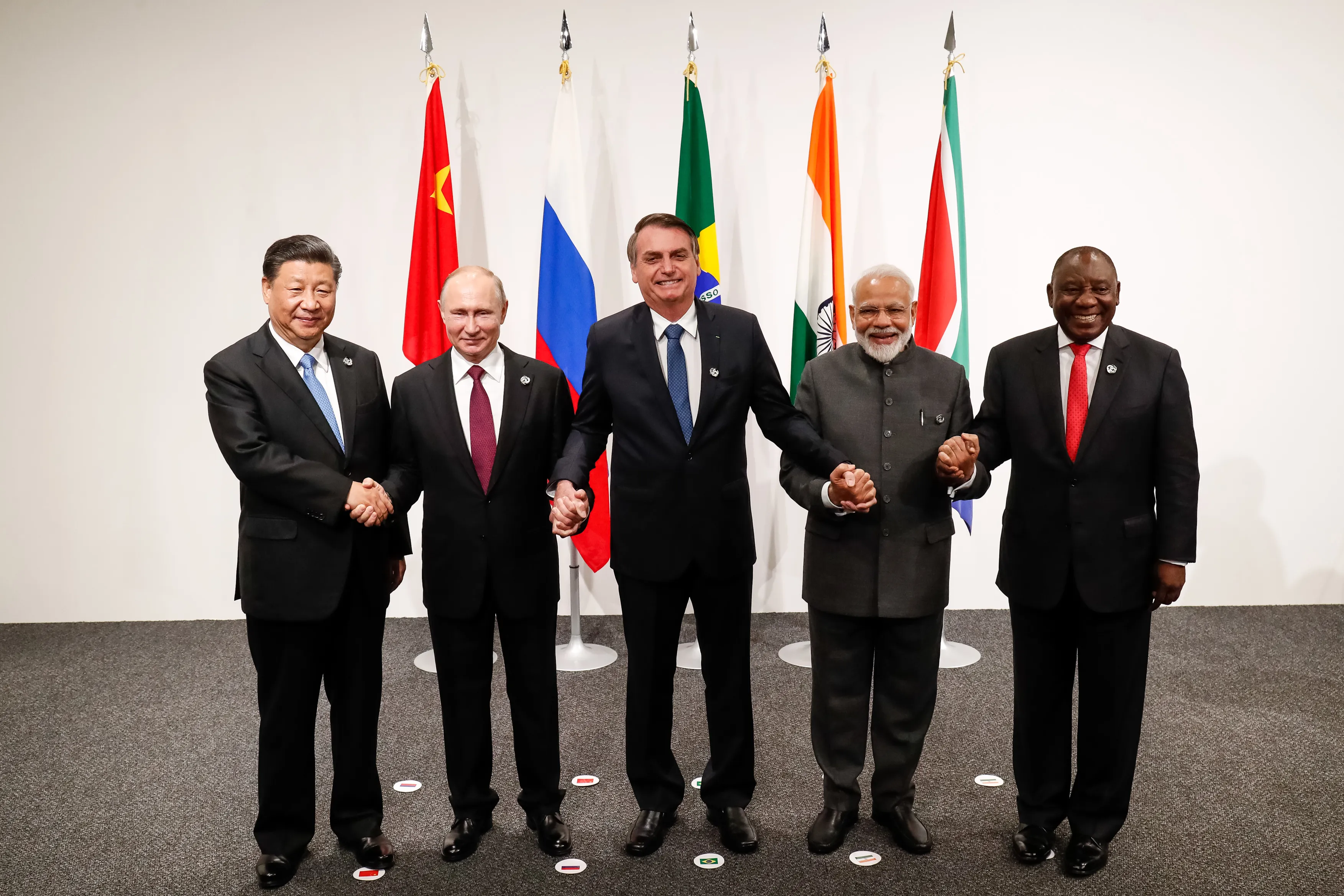
What does the BRICS summit mean for Africa’s mining value chains?
The BRICS summit has sharpened the race to secure critical minerals – but for Africa, the bigger opportunity is capturing more of the value created after extraction.

Articles
Wednesday, September 16, 2026
What does Dangote’s refinery mean for Africa’s mining ambitions?
The value of a resource can change dramatically when processing, capital and ownership move closer to the point of production.
Articles
Tuesday, September 15, 2026
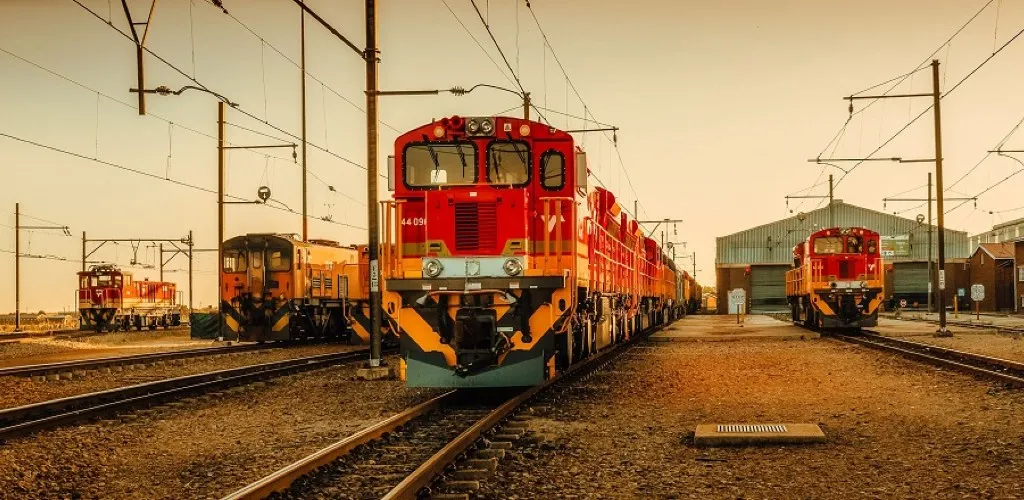
Transnet gains momentum as rail reform and investment reshape mining logistics
Return to profitability signals progress, but logistics recovery remains a work in progress.






-ltd-a325b1d3-6414-476b-9b7e-20c2285d5a51.webp?language=en)

-Primary-Logo.webp?language=en)