News & Media
Featured
Royal Bafokeng Nation strengthens global Indigenous partnerships
Tuesday, May 5, 2026
What's in this article
- 1.High-profile Indigenous leadership and global representation
- 2.Cultural diplomacy and ceremony at the forefront
- 3.Molotlegi highlights long-term stewardship and shared prosperity
- 4.First Nations leaders: Equity over consultation defines next phase of major projects
- 5.Mining and infrastructure: a shared opportunity
- 6.A platform for long-term collaboration
The Royal Bafokeng Nation (RBN) of South Africa’s North West province stepped onto the global stage last week, participating in the ninth annual First Nations Major Projects Coalition (FNMPC) Conference in Toronto. The event helps shape the conversations around Indigenous-led infrastructure and resource development.
Held from April 29 to May 1, the conference convened hundreds of Indigenous leaders, policymakers, investors and project developers under the theme “The Next Seven Generations – Our Shared Future.” The event has become a key platform for aligning capital, governance and community priorities in large-scale projects, particularly in mining, energy and infrastructure.
Kgosi Leruo Molotlegi addressed delegates as part of the official programme, positioning the Royal Bafokeng Nation as an active participant in global Indigenous economic diplomacy.
- “We must ensure that the resources we steward today translate into sustainable prosperity for future generations.”
- “Good governance and disciplined stewardship of assets are the foundation of long-term economic development for our people.”
- “Our responsibility is not only to participate in the global economy, but to shape it in ways that reflect our values and priorities.”
- “Education, infrastructure and enterprise development remain central pillars of building a self-sustaining nation.”
- “We view natural resources not as an end in themselves, but as a platform for transformation and intergenerational upliftment."
High-profile Indigenous leadership and global representation
The 2026 conference drew a distinguished cohort of traditional and contemporary Indigenous leadership. Among the most prominent attendees was Te Arikinui Kuīni Nga wai hono i te po VIII, representing Aotearoa New Zealand’s Māori leadership, alongside chiefs, councillors and institutional leaders from Canada, Australia and the United States. Senior representatives from the First Nations Major Projects Coalition also led discussions on equity participation in major projects, Indigenous ownership models and long-term value creation. Industry participation included executives from mining and energy companies, institutional investors and infrastructure funds, reflecting the growing recognition that Indigenous partnership is now central to project development.
Cultural diplomacy and ceremony at the forefront
Proceedings opened with ceremonial introductions and a blanket presentation ceremony, a powerful cultural exchange in which blessed blankets were gifted to visiting leaders and dignitaries. The practice, rooted in Indigenous North American traditions, symbolises reciprocity, respect and kinship, while also underscoring the spiritual and cultural dimensions that underpin economic partnerships. For RBN, the ceremony resonated with its own heritage-based governance model, where economic development is closely tied to cultural stewardship and intergenerational responsibility.
Molotlegi highlights long-term stewardship and shared prosperity
In his address, Kgosi Molotlegi emphasised the importance of aligning development with long-term community benefit, drawing parallels between the Royal Bafokeng Nation’s investment-led model and emerging Indigenous ownership structures globally.
RBN’s participation builds on its established reputation as one of Africa’s most sophisticated community investment entities, with interests spanning platinum group metals, infrastructure and financial services. The Nation said its presence at the conference reflects a continued commitment to “fostering meaningful relationships with Indigenous communities globally” and contributing to dialogue on sustainable development. “It further reaffirms a shared dedication to heritage, collaboration and collective progress,” the organisation noted in a statement.
First Nations leaders: Equity over consultation defines next phase of major projects
Feedback from Indigenous leaders at the First Nations Major Projects Coalition Conference underscored a decisive shift in expectations across global resource and infrastructure development, from consultation frameworks toward equity-based participation and ownership models.
Speaking on the evolving nature of reconciliation and project partnerships, Sharleen Gale, Dene leader from British Columbia, Chief of the Fort Nelson First Nation, and Chair of the First Nations Major Projects Coalition said: “Economic reconciliation means that First Nations must move from being consulted on projects to being owners of those projects.” Her remarks reflect a growing consensus across Indigenous leadership networks that participation in major projects must extend beyond advisory roles into direct equity stakes and governance rights.
Mark Podlasly, member of the Nlaka’pamux Nation in British Columbia, and CEO of the First Nations Major Projects Coalition reinforced this structural shift in investment thinking, stating: “The conversation is shifting from impact management to wealth creation, and that requires equity participation, not just consultation.” He added that Indigenous participation is increasingly shaping investment certainty in large-scale infrastructure and resource development: “Certainty for investors increasingly depends on meaningful Indigenous participation at the ownership level.”
The emphasis on ownership rather than consultation was echoed by other Indigenous leaders attending the conference, where the broader theme of co-development and intergenerational value creation featured prominently.
Gale further highlighted the performance case for Indigenous equity partnerships in major projects: “We are demonstrating that when First Nations are equity partners, projects are stronger, more sustainable and deliver shared prosperity.” Podlasly also pointed to the commercial implications of this shift, noting: “Indigenous ownership is not a social obligation, it is a competitive advantage for major projects.”
Together, these perspectives reflect a maturing global framework in which Indigenous communities are increasingly positioned not as stakeholders to be consulted, but as rights holders and equity partners embedded in project structures from inception through to operation.
Mining and infrastructure: a shared opportunity
The conference placed strong emphasis on resource development, particularly mining, as a vehicle for Indigenous wealth creation, provided projects are structured to ensure community ownership, environmental stewardship and skills transfer. For African stakeholders, including the Royal Bafokeng Nation, the discussions are highly relevant. As global demand for critical minerals accelerates, Indigenous landholders and community structures are increasingly central to project success, from Zambia’s Copperbelt to South Africa’s platinum belt.
RBN’s participation signals a growing willingness among African traditional authorities to engage in global best practice frameworks, particularly around:
- Equity participation in mining projects
- Sovereign-style community investment vehicles
- Long-term infrastructure development
- Cultural preservation alongside economic growth
A platform for long-term collaboration
The FNMPC conference continues to evolve into more than a dialogue forum, it is increasingly a deal-making and partnership platform, connecting Indigenous groups with capital providers and project sponsors.
For the Royal Bafokeng Nation, the engagement in Toronto marks another step in positioning itself as a globally connected Indigenous economic player, capable of both sharing expertise and learning from peers. As Indigenous communities worldwide push for greater control over natural resources and infrastructure development, events like this underscore a defining trend: the future of major projects will be co-designed, co-owned and co-governed with Indigenous peoples at the centre.
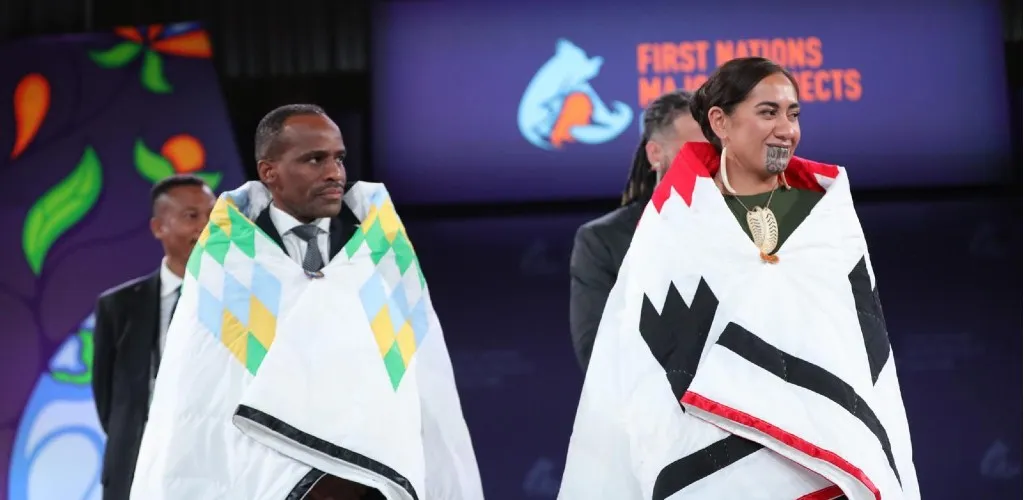 The blanketing ceremony, led by Sharleen Gale, recognized the visiting leaders through a shared protocol grounded in reciprocity, kinship, and respect between Indigenous Nations.
Star quilts were gifted to Her Majesty Te Arikinui Kuini Nga wai hono i te po, the Māori Queen, and His Majesty Kgosi Leruo Tshekedi Molotlegi, King of the Royal Bafokeng Nation. The quilts were made by Kishey Pisim Ahenakew of Ahtahkakoop First Nation in Saskatchewan, known as Starblanket, whose practice carries the teachings of her Nation into every piece she creates. In Cree tradition, the eight-point star quilt is a sacred gift: a symbol of wisdom, generosity, and protection, given to mark significant moments. To be wrapped in one is understood as a connection to ancestors, a blessing carried in the fabric itself.
Guided by Kishey Ahenakew, with an Honour Song by Red Sky, the ceremony reflects how relationships are carried and acknowledged across Nations.
Market News
Related articles
Articles
Thursday, September 17, 2026
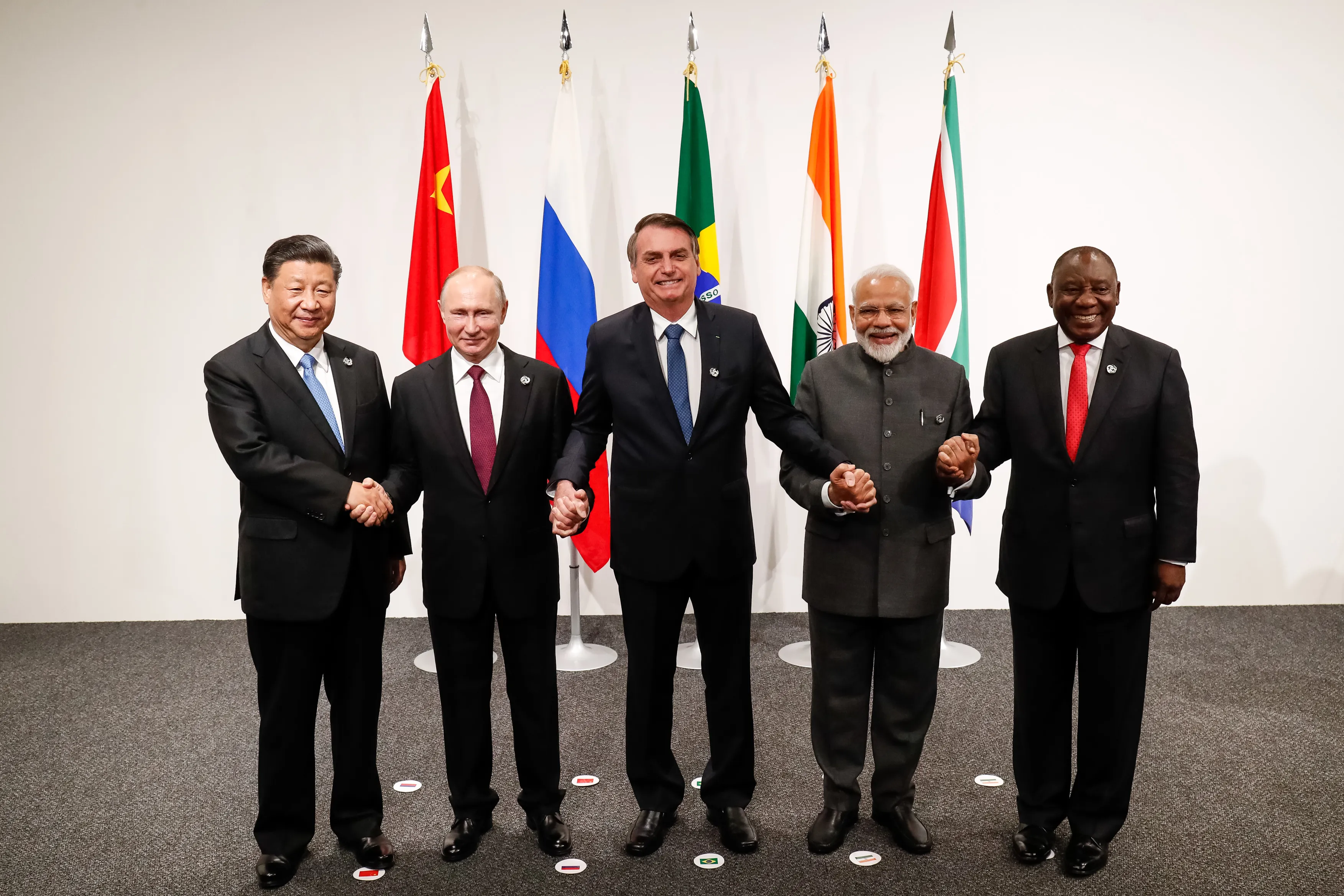
What does the BRICS summit mean for Africa’s mining value chains?
The BRICS summit has sharpened the race to secure critical minerals – but for Africa, the bigger opportunity is capturing more of the value created after extraction.

Articles
Wednesday, September 16, 2026
What does Dangote’s refinery mean for Africa’s mining ambitions?
The value of a resource can change dramatically when processing, capital and ownership move closer to the point of production.
Articles
Tuesday, September 15, 2026
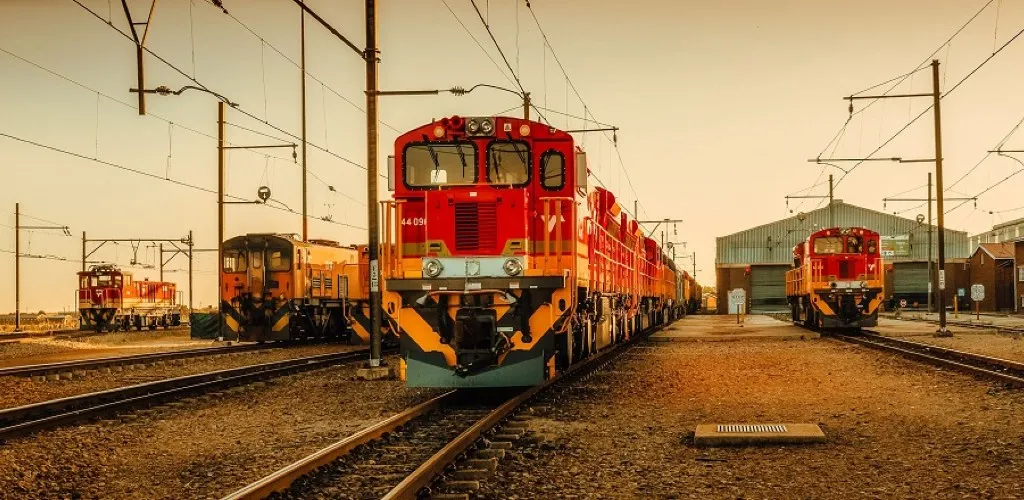
Transnet gains momentum as rail reform and investment reshape mining logistics
Return to profitability signals progress, but logistics recovery remains a work in progress.









-ltd-a325b1d3-6414-476b-9b7e-20c2285d5a51.webp?language=en)

-Primary-Logo.webp?language=en)