Debate around a potential chrome ore export tax has intensified in recent months, with policymakers exploring ways to redirect ore into domestic smelters.
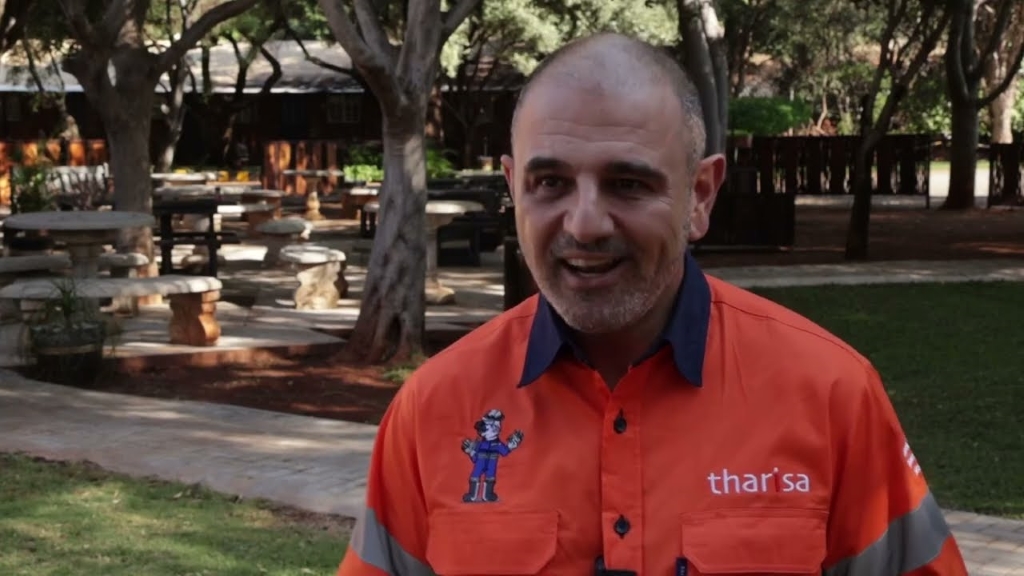
Japie Fullard, CEO of Glencore Ferroalloys, used his platform at Mining Indaba 2026 to sharpen the industry’s stance on chrome beneficiation: tax policy alone will not revive South Africa’s ferrochrome sector without deeper structural reform.
Speaking during a panel titled “Can tax policy catalyse chrome beneficiation?” and in subsequent media engagements, including an interview with MITV, Fullard outlined a clear position - beneficiation must be enabled through competitiveness, not forced through blunt regulatory tools.
He characterised export taxes as a “blunt instrument,” warning they could distort the value chain and inadvertently harm non-integrated producers who depend on export markets. The central policy question raised during the Indaba session was how to advance beneficiation “without adversely impacting existing operations” - a concern that sits at the heart of Fullard’s argument. Rather than redistributing value within the sector, he emphasised that policy should support a balanced ecosystem spanning miners, smelters, and downstream players.
Ferrochrome smelting is highly energy-intensive, and South African producers have lost ground to global competitors - particularly China - where power costs are lower and more predictable. Fullard also pointed to the importance of evolving energy strategies, including renewables and self-generation, as part of the solution to restoring competitiveness.
Energy reform as a foundation: Competitive tariffs, energy security, and support for alternative power solutions
Market-aligned policy design: Avoiding artificial distortions such as poorly structured export restrictions
Whole-of-value-chain support: Ensuring policies do not favour one segment at the expense of another
Clear national beneficiation roadmap: Integrating energy, logistics, skills, and capital into a single strategy
Fullard’s broader message is that beneficiation must be economically viable on its own merits, rather than dependent on protective measures.
Speaking during a panel titled “Can tax policy catalyse chrome beneficiation?” and in subsequent media engagements, including an interview with MITV, Fullard outlined a clear position - beneficiation must be enabled through competitiveness, not forced through blunt regulatory tools.
Export taxes risk unintended consequences
Debate around a potential chrome ore export tax has intensified in recent months, with policymakers exploring ways to redirect ore into domestic smelters. However, Fullard cautioned at Mining Indaba that such interventions must be approached carefully.He characterised export taxes as a “blunt instrument,” warning they could distort the value chain and inadvertently harm non-integrated producers who depend on export markets. The central policy question raised during the Indaba session was how to advance beneficiation “without adversely impacting existing operations” - a concern that sits at the heart of Fullard’s argument. Rather than redistributing value within the sector, he emphasised that policy should support a balanced ecosystem spanning miners, smelters, and downstream players.
Beneficiation remains a strategic priority
Despite his caution on tax measures, Fullard reaffirmed strong support for beneficiation as a strategic imperative for South Africa. At Mining Indaba, discussions highlighted that the country already has sufficient chrome ore supply, and the opportunity lies in capturing greater value locally through ferrochrome production. Beneficiation, he argued, is critical to:- Industrialisation
- Job creation
- Export value enhancement
Energy - not ore - is the real constraint
A consistent theme across Fullard’s Mining Indaba contributions was that South Africa’s beneficiation challenge is not resource-driven - but cost-driven. The core constraint, he noted, is access to reliable and competitively priced electricity. Conference discussions reinforced this view, highlighting that while chrome ore feedstock is abundant, the sector’s viability hinges on energy economics.Ferrochrome smelting is highly energy-intensive, and South African producers have lost ground to global competitors - particularly China - where power costs are lower and more predictable. Fullard also pointed to the importance of evolving energy strategies, including renewables and self-generation, as part of the solution to restoring competitiveness.
Defining “smart frameworks”
Rather than rejecting policy intervention, Fullard used Mining Indaba to advocate for what he describes as “smart frameworks” - coordinated, multi-dimensional approaches that address the root causes of decline in the ferroalloys sector. These frameworks would include:Energy reform as a foundation: Competitive tariffs, energy security, and support for alternative power solutions
Market-aligned policy design: Avoiding artificial distortions such as poorly structured export restrictions
Whole-of-value-chain support: Ensuring policies do not favour one segment at the expense of another
Clear national beneficiation roadmap: Integrating energy, logistics, skills, and capital into a single strategy
Fullard’s broader message is that beneficiation must be economically viable on its own merits, rather than dependent on protective measures.





-Logo_CMYK_1.jpg?width=1000&height=500&ext=.jpg)






.png?width=300&height=208&ext=.png)
_mi25-weblogo.png?ext=.png)
_1.png?ext=.png)


















_logo.png?ext=.png)

_mi25-weblogo.png?ext=.png)