News & Media
Featured
A new era of strategic partnerships and long-life growth begins for Tharisa
Thursday, April 2, 2026
What's in this article
The milestone was marked by the inaugural underground blast on Tuesday, signalling the start of a transition that will extend the life of the platinum group metals (PGM) operation by at least six decades. CEO Phoevos Pouroulis described the move as both planned and necessary. “It was always envisaged that we would transition to underground mining, and we are now at that point in time."
Transition built on long-term planning and operational partnerships
With open pit resources expected to be depleted by around 2034 the operation has spent the past 18 months preparing for the shift. This included highwall stabilisation and the development of key underground access points. Central to this transition is Tharisa’s collaboration with mining contractor Cementation Africa, which is supporting both the physical development of the underground declines and the upskilling of the existing workforce. The underground expansion will be executed through twin decline systems, Apollo on the west side and Orion on the east, which will ultimately converge. The initial phase focuses on the Apollo portal, ramping up to 255 000 tpm over three years, before Orion mirrors this output to reach a combined steady-state capacity of 510 000 tpm.
This phased approach not only de-risks execution but also creates operational flexibility, with annual production expected to exceed 6.2 Mt, above the current processing nameplate capacity of 5.6 million tonnes, opening optionality for future plant expansion.
Technology partnerships enable ‘Smart Mine’ vision
Tharisa’s underground strategy is also closely tied to its digital transformation ambitions. Through a technical partnership with Dwyka Labs, the company has embedded smart mining capabilities into the operation from inception.The fully equipped “smart mine” has been designed to integrate evolving technologies, positioning Tharisa to improve safety, efficiency and data-driven decision-making as underground operations scale.
Financing partnerships gain momentum on Karo Project
Beyond South Africa, partnerships are playing an equally critical role in advancing Tharisa’s Karo PGM project in Zimbabwe, where the company is seeking to secure the remaining $300 million of project funding.
Pouroulis confirmed that discussions are underway with a broad mix of stakeholders, including North American and European government-backed lenders, alongside offtake partners and downstream users. “We’re speaking to government-backed funders… along with offtake players and potential downstream users - they’re in the mix,” he said.
The improved platinum price environment has materially shifted funding dynamics. “It’s opened up the playing field considerably,” Pouroulis noted, adding that rising concerns around supply constraints and long-term PGM demand have attracted new entrants focused on security of supply. This shift has expanded Tharisa’s financing optionality, with interest also coming from strategic investors. Industry player Impala Platinum is understood to be evaluating a potential concentrate offtake agreement, potentially linked to an equity stake, highlighting the growing importance of integrated partnership models across the value chain.
Policy alignment remains key to unlocking capital
While investor appetite has strengthened, finalising funding for Karo remains contingent on reaching a fiscal agreement with the Zimbabwean government. Tharisa is seeking a package that includes duty exemptions, a 15% corporate tax rate, and the ability to retain revenues in US dollars. “The world has changed in 12 months,” Pouroulis said, pointing to a markedly improved backdrop compared with a year ago, when weak PGM prices and policy uncertainty weighed heavily on investor sentiment.
Partnership-driven growth strategy
Taken together, Tharisa’s underground transition and Karo financing efforts underscore a broader industry trend: large-scale mining projects are increasingly dependent on multi-stakeholder partnerships. From contractor alliances and technology integration to funding syndicates and offtake agreements, Tharisa’s strategy reflects a shift away from standalone project execution toward more collaborative, risk-sharing models. As the company advances both its South African and Zimbabwean assets, its ability to structure and sustain these partnerships will be central to unlocking long-term value in an evolving PGM market.
Market News
Related articles
.webp?language=en)
Articles
Thursday, October 22, 2026
Building a competitive African automotive industry for the next generation
Africa’s mineral resources give the continent an important stake in the future of automotive manufacturing.
Articles
Tuesday, October 20, 2026
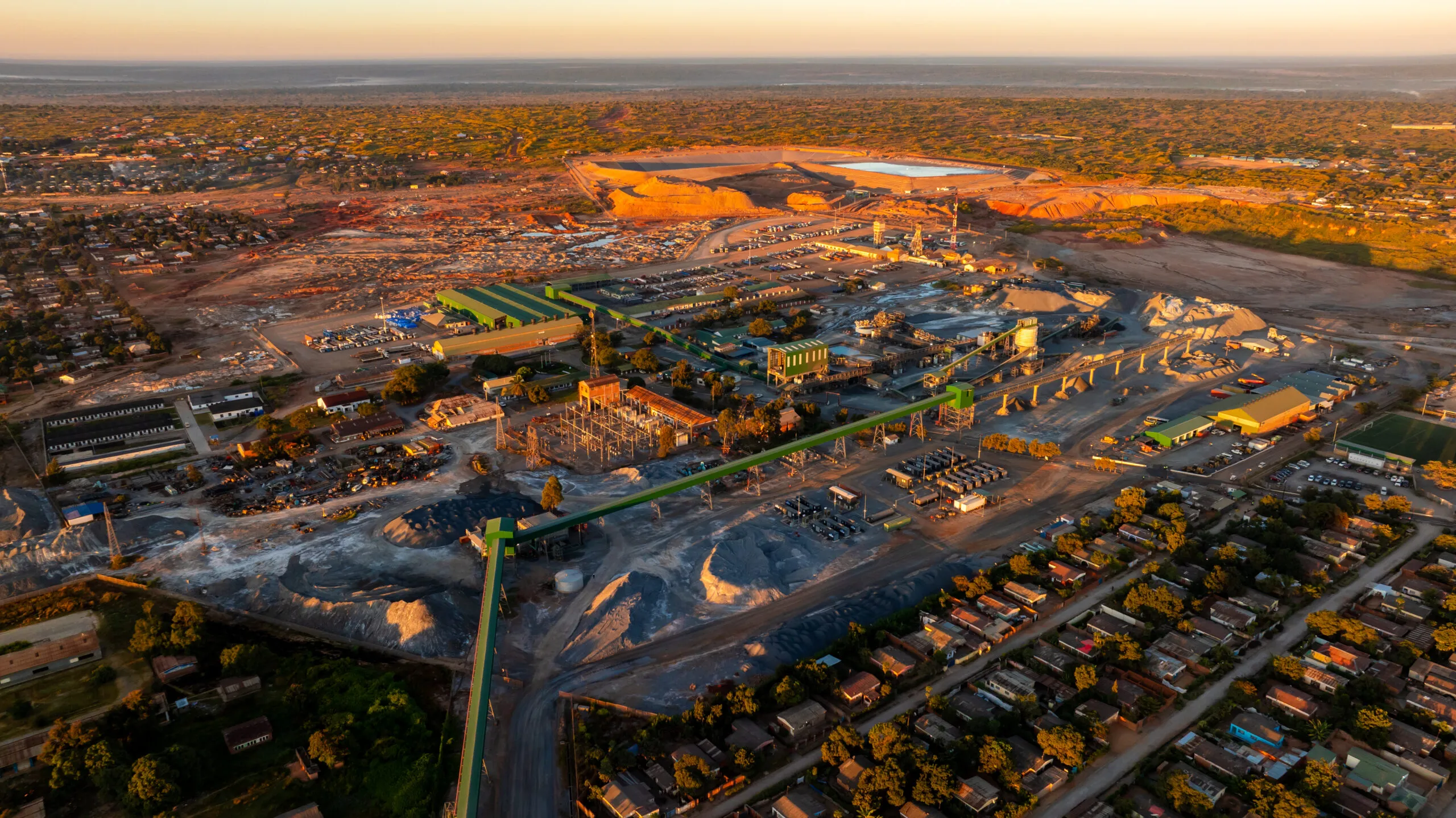
From century-old mine to global zinc powerhouse
Kipushi has demonstrated that an established mine can be revitalised through high-grade resources, new processing infrastructure and sustained investment.
Articles
Monday, October 19, 2026
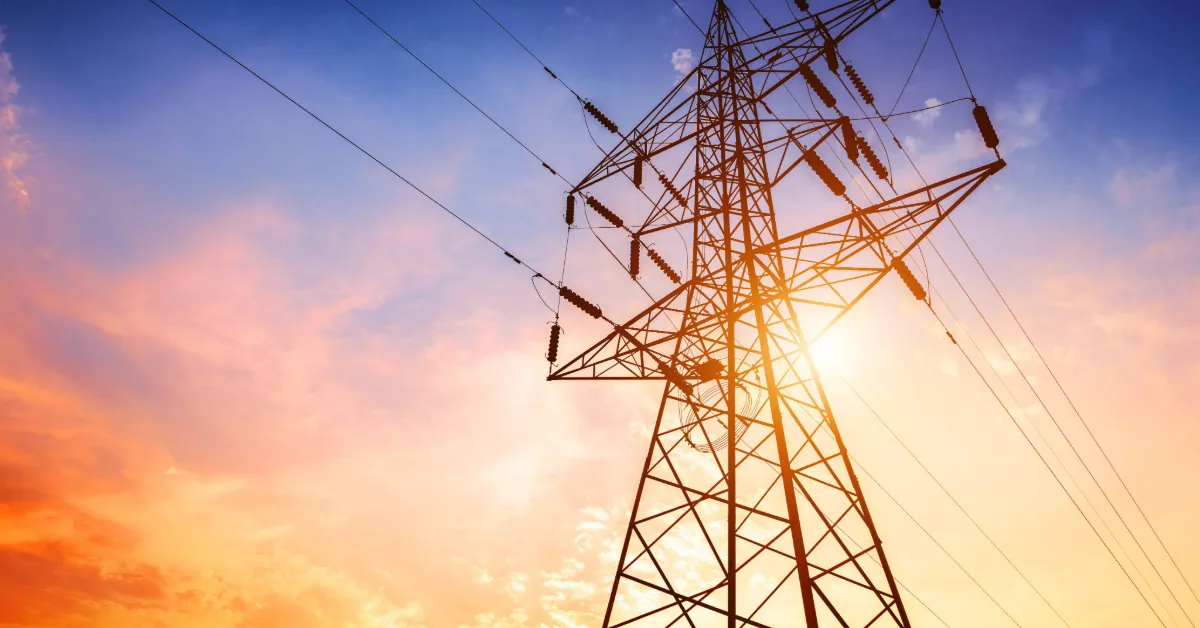
Beyond the Mine- $300 Million Zambia–DRC Energy Deal to Drive Mineral Value Addition
Landmark cross-border electricity project could deliver up to 550 MW unlocking copper and cobalt production, mineral beneficiation and regional industrial development.










-ltd-a325b1d3-6414-476b-9b7e-20c2285d5a51.webp?language=en)

-Primary-Logo.webp?language=en)